
Top 5 Trends in Audio Mastering You Need to Know


The Evolution of Audio Mastering
In recent years, audio mastering has undergone significant transformations. With advancements in technology and changes in listener preferences, staying updated on the latest trends is crucial for audio professionals and enthusiasts alike. Here, we explore the top five trends that are shaping the future of audio mastering.
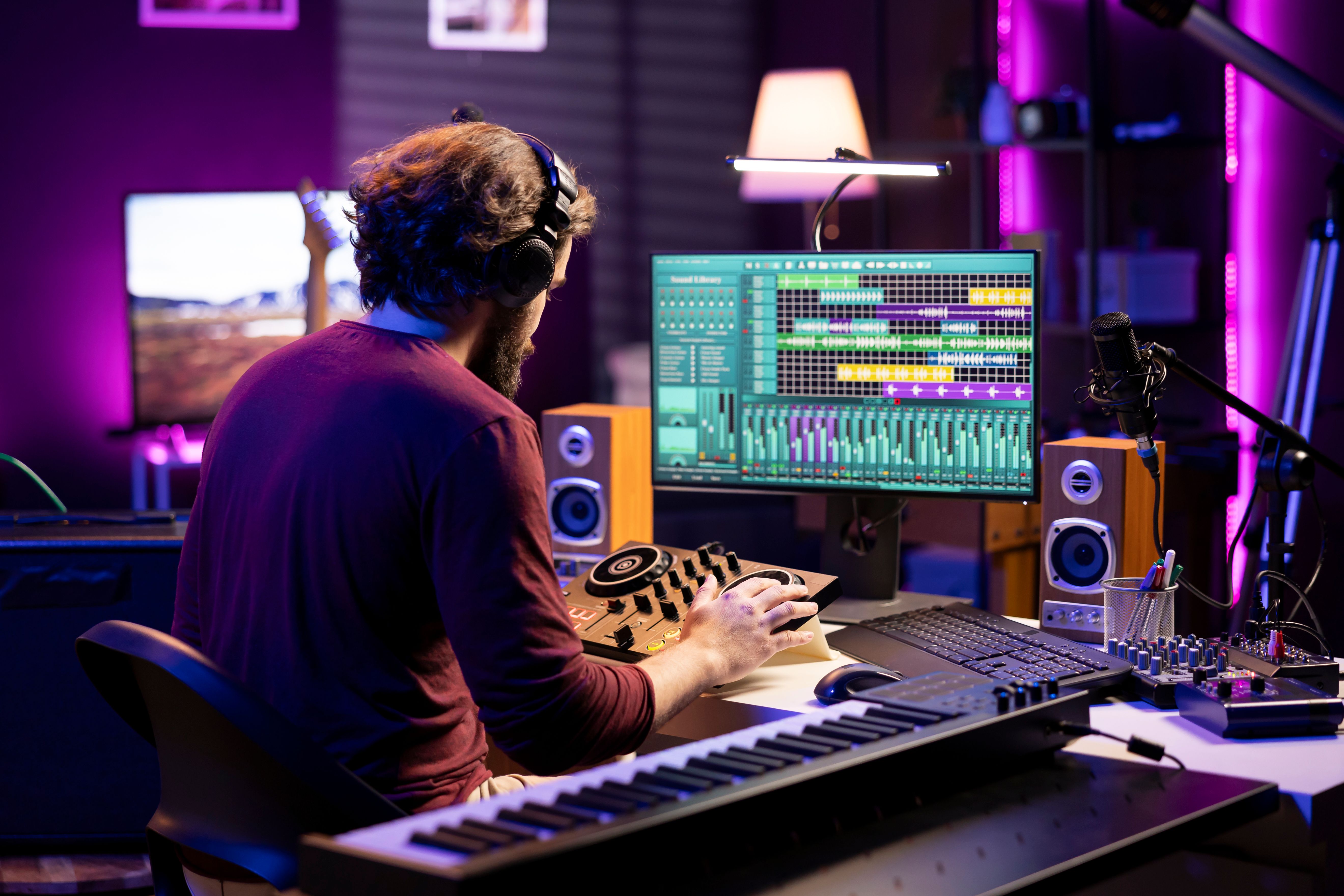
1. AI-Driven Mastering Tools
Artificial intelligence is revolutionizing the way audio is mastered. AI-driven tools offer automated solutions that were once only achievable through manual processes. These tools can analyze and adjust audio tracks with remarkable precision, making mastering more accessible to independent artists.
The use of AI not only speeds up the mastering process but also ensures consistency across tracks. This technology can emulate human-like decisions, providing professional-quality results without the need for extensive technical knowledge.
2. Streaming-Optimized Masters
With the rise of streaming platforms, there is a growing emphasis on creating masters that are optimized for digital distribution. Mastering for streaming involves ensuring that audio tracks maintain their quality and dynamic range across various platforms, such as Spotify and Apple Music.
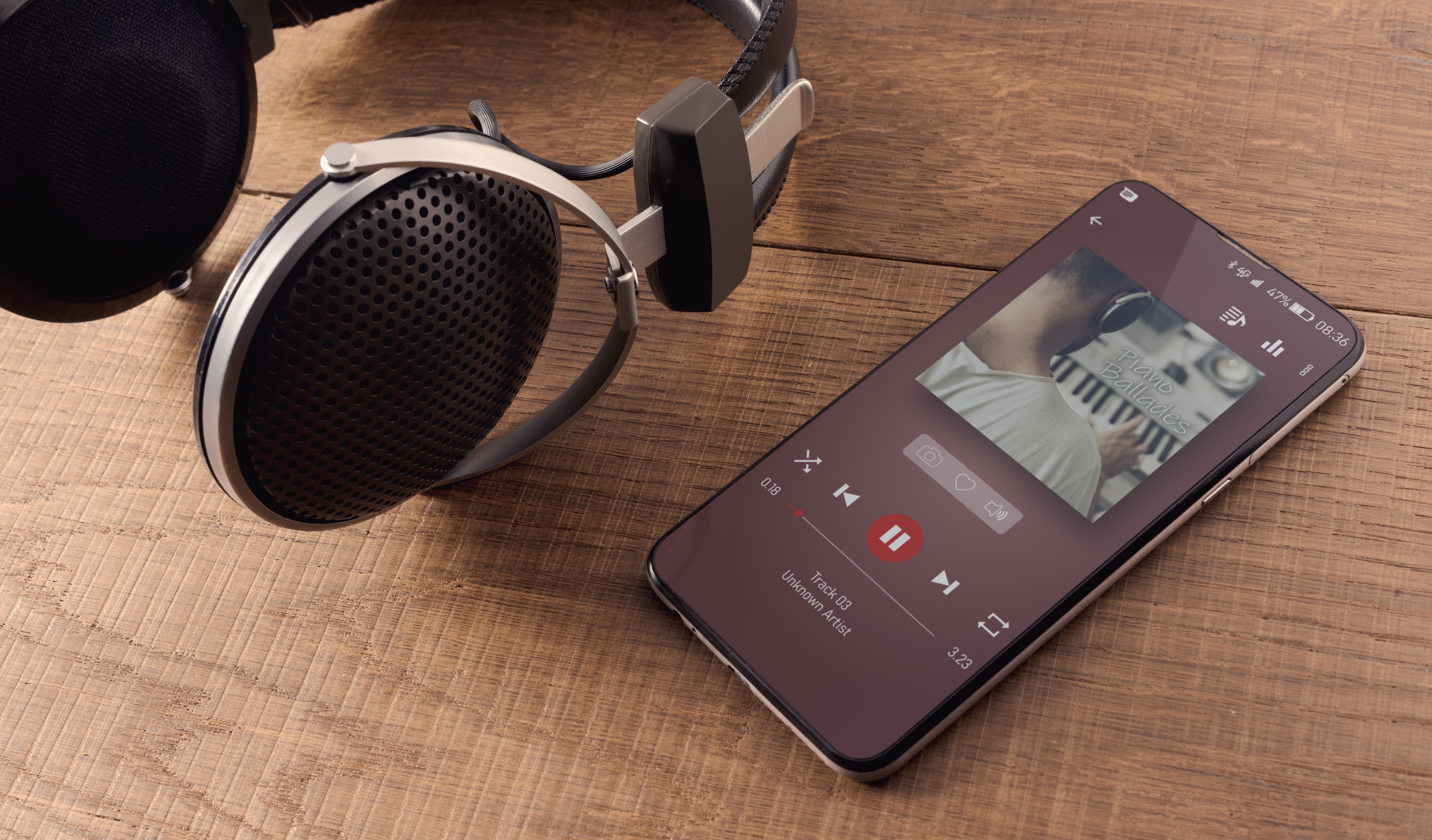
Audio professionals are now more focused on loudness normalization, as different platforms have specific loudness targets. This trend ensures that tracks are not only loud but also clear and well-balanced.
3. Immersive Audio Experiences
Immersive audio formats, such as Dolby Atmos and Sony 360 Reality Audio, are becoming increasingly popular. These formats provide listeners with a three-dimensional sound experience, making them feel as if they are part of the music.
Mastering for immersive audio requires a different approach, as it involves crafting spatial audio that can be experienced on various devices. This trend is pushing the boundaries of traditional stereo mastering, offering new creative possibilities.

4. Vinyl Revival
Despite the digital age, vinyl records have made a strong comeback. Mastering for vinyl is an art form that requires special attention to detail, as it differs from digital mastering in several ways.
Audio engineers are revisiting analog techniques to ensure that the warmth and character of vinyl are preserved. This revival has led to a renewed appreciation for the tactile and nostalgic aspects of music listening.
5. Remote Collaboration
The global shift towards remote work has impacted the way audio professionals collaborate. Online tools and platforms now enable seamless communication and file sharing, allowing artists and engineers to work together regardless of location.

This trend has democratized the mastering process, making it easier for artists to access top-tier mastering services without geographical constraints. The ability to collaborate remotely is not only convenient but also expands creative possibilities.
As technology continues to evolve, audio mastering will undoubtedly see further innovations. Keeping abreast of these trends will ensure that artists and professionals can continue to deliver high-quality audio experiences to their audiences.