
The Ultimate Guide to Professional Audio Mastering Techniques


Understanding Audio Mastering
Audio mastering is the final step in music production, where tracks are polished and prepared for distribution. It involves balancing elements, enhancing sound quality, and ensuring the track sounds cohesive across all playback systems. Mastering can make the difference between a good track and a professional one.
Essential Tools for Mastering
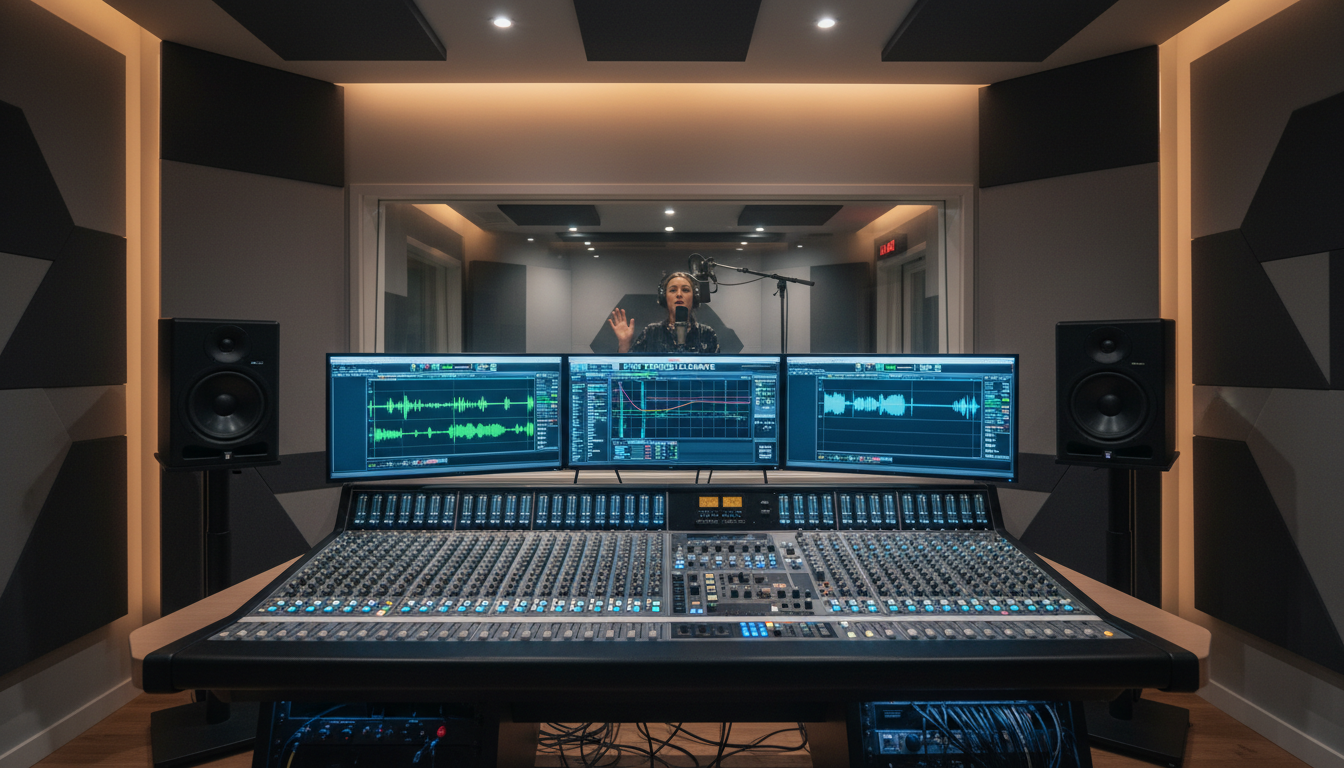
To achieve high-quality mastering, you'll need the right tools. Here are some essentials:
- Digital Audio Workstation (DAW): A powerful DAW is crucial for editing and processing audio files.
- Mastering Software: Plugins like EQ, compression, and limiters are vital for shaping the sound.
- Reference Monitors: Accurate speakers help you hear the true sound of your mix.
- Audio Interface: Ensures high-quality audio input and output.

Core Mastering Techniques
Mastering involves several techniques that enhance the overall sound. Here are key methods:
Equalization
EQ is used to balance frequency ranges. It helps in reducing muddiness and enhancing clarity. A precise EQ can drastically improve the sound quality by focusing on problem frequencies.
Compression
Compression is essential for controlling dynamics. It ensures that the loudest and softest parts of a track are balanced, providing a consistent listening experience. Proper compression can add punch and presence to your mix.
Advanced Techniques for Professional Sound
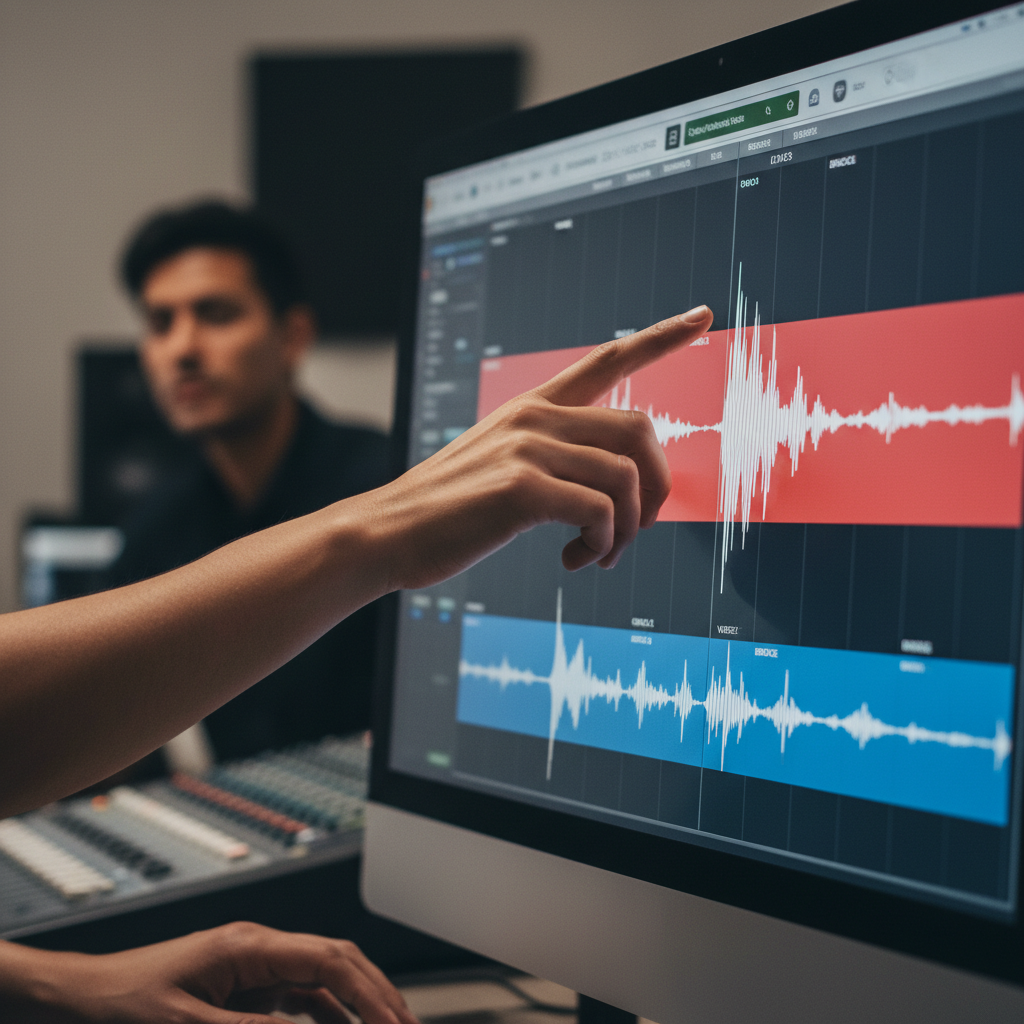
After mastering the basics, explore advanced techniques to refine your tracks further:
Multiband Compression
This technique allows you to compress different frequency bands independently. It provides more control and can enhance specific elements without affecting the entire mix.
Stereo Imaging
Adjusting the stereo field can add depth and width to your track. Proper stereo imaging ensures that your music translates well across different listening environments.
Finalizing and Exporting
Once mastering is complete, it’s crucial to export your tracks in the correct format. Most professionals use WAV or AIFF for lossless quality. Consider your distribution platform requirements when choosing the format.
Conclusion
Mastering is an art form that requires practice and precision. By understanding the tools and techniques discussed, you can elevate your tracks to a professional level. Remember, the key to mastering is subtlety and attention to detail. Happy mastering!