
The Ultimate Guide to Professional Audio Mastering


Understanding Audio Mastering
Audio mastering is the final step in the music production process, transforming a mix into a polished, professional track. It's where the magic happens to ensure your music sounds great on any platform. Mastering involves fine-tuning frequencies, adjusting dynamics, and enhancing stereo imaging. This stage is crucial for bringing your tracks to life.
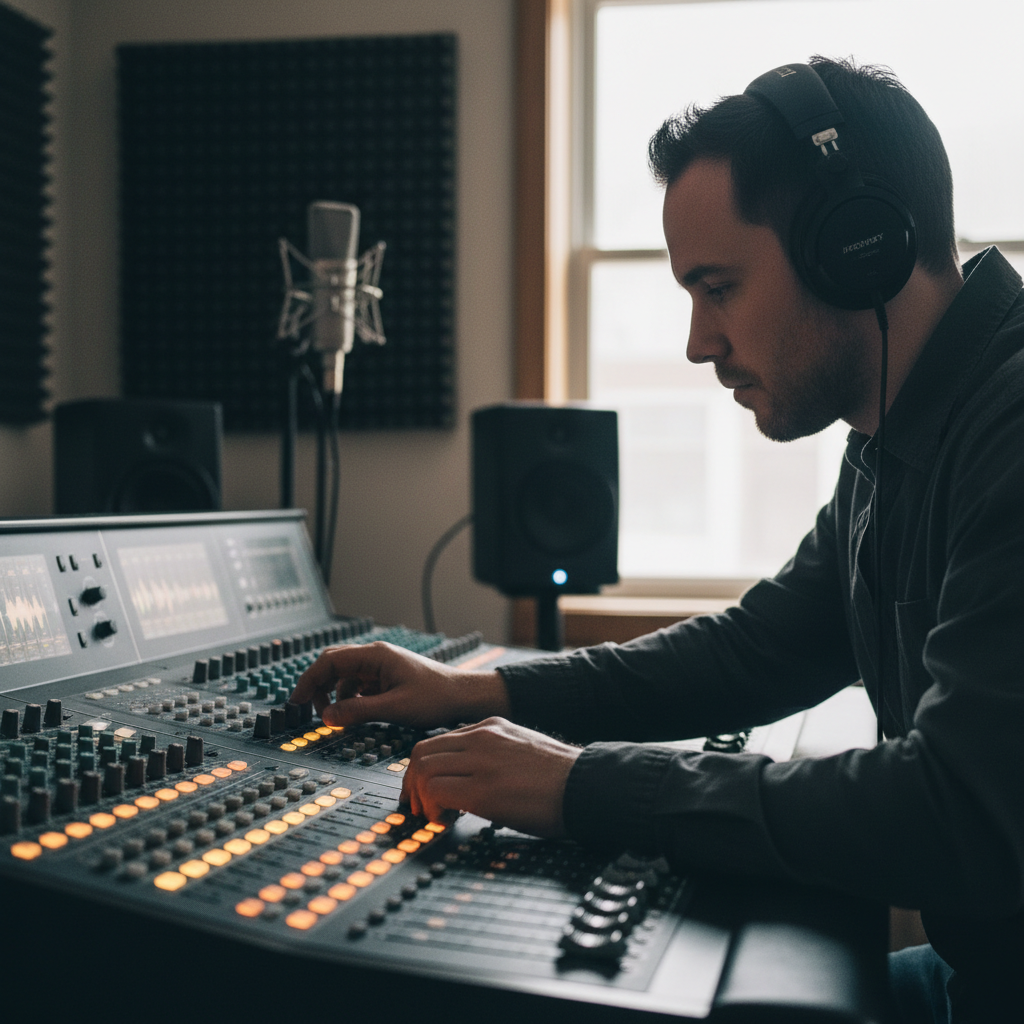
Why Mastering Matters
Mastering is essential because it ensures consistency and quality across all playback systems. Whether your audience listens on headphones, car speakers, or a professional sound system, a well-mastered track will sound balanced and cohesive. This process also prepares your music for distribution, ensuring it meets industry standards.
Tools and Techniques
Professional audio mastering requires specialized tools and expertise. Engineers use digital audio workstations (DAWs), equalizers, compressors, limiters, and other plugins. Understanding these tools' functions and purposes is key to mastering effectively.
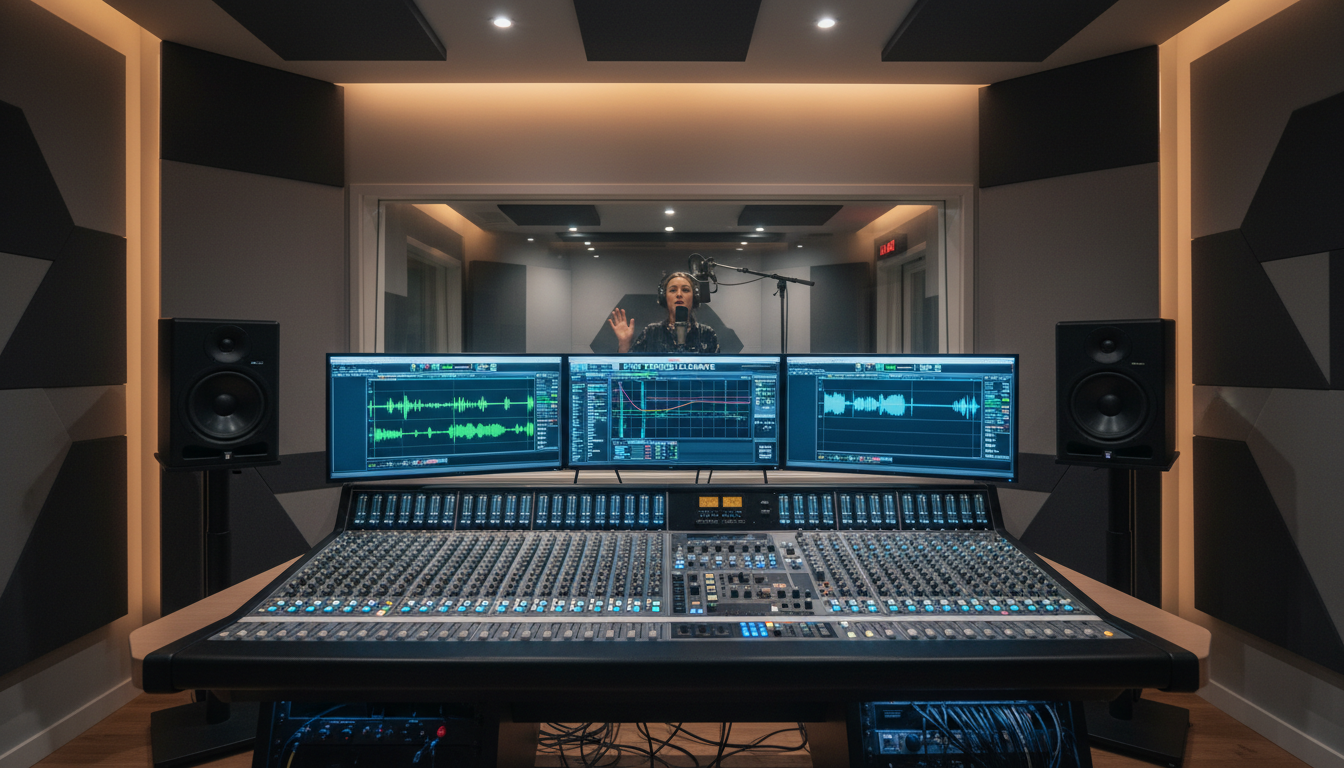
Equalization and Compression
Equalization (EQ) shapes the tonal balance of a track by adjusting the levels of different frequencies. This step corrects any imbalances and enhances desirable elements. Compression, on the other hand, controls the dynamic range, ensuring that softer sounds are audible while preventing louder sections from distorting.
Achieving Loudness
Loudness is a critical aspect of mastering. Tracks must be loud enough to compete in today's music landscape but without losing dynamic range. Engineers use techniques like limiting and multiband compression to achieve the desired loudness while preserving audio quality.
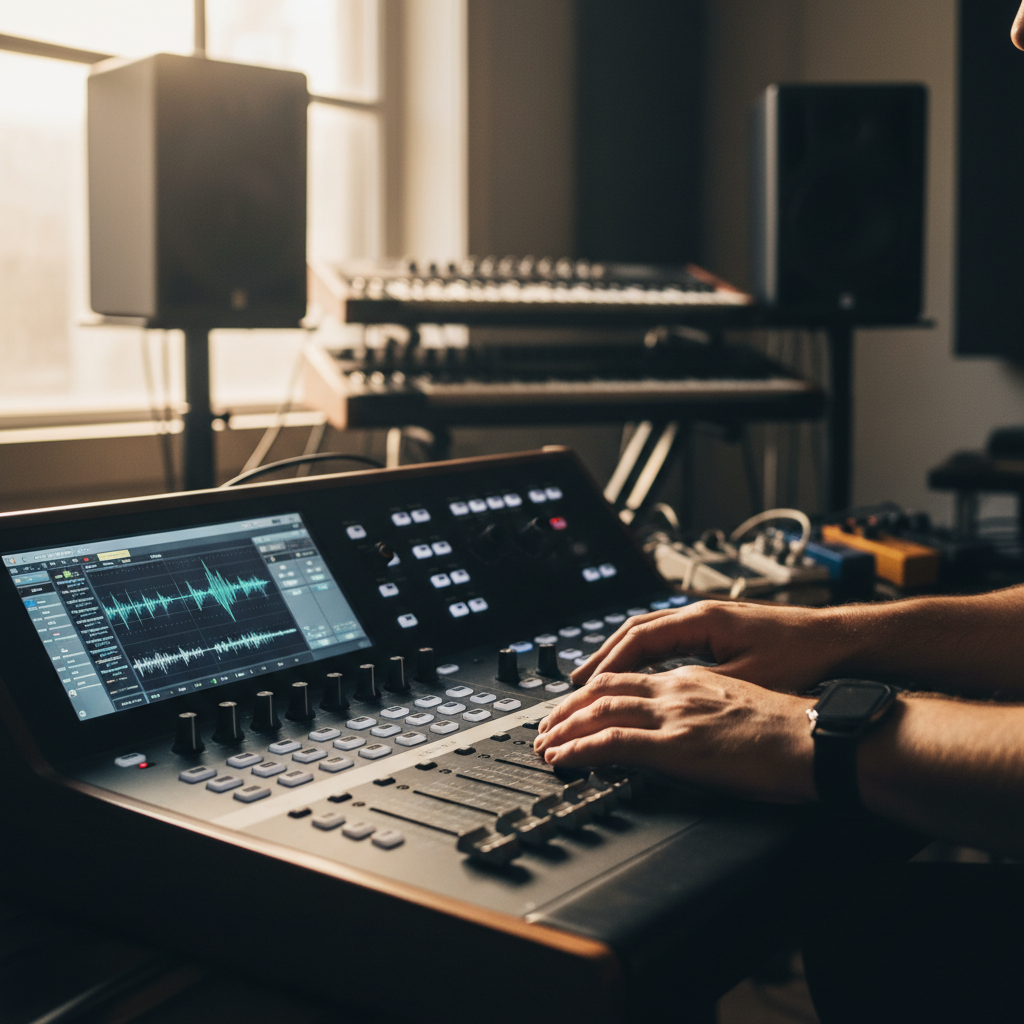
Preparing for Distribution
Once a track is mastered, it's ready for distribution. This involves converting the track into the necessary formats for streaming platforms, CDs, or vinyl. Mastering engineers ensure that the final product meets the technical requirements of each medium.
DIY Mastering vs. Professional Services
While there are tools available for DIY mastering, hiring a professional often yields better results. Professionals bring experience, a trained ear, and specialized equipment that can make a significant difference in the final product. Consider your goals and budget when deciding.
In conclusion, audio mastering is a vital process that can elevate your music from good to exceptional. Whether you choose to master your tracks yourself or hire a professional, understanding the intricacies of this process will empower you to make informed decisions about your music's final sound.