
The Art of Audio Mastering: Why It Matters for Your Music


Understanding Audio Mastering
Audio mastering is often referred to as the final step in music production, but what does it really entail? At its core, mastering is the process of preparing and transferring recorded audio from a source to a data storage device. This ensures that sound quality is consistent and polished across all playback systems.
When done right, mastering can enhance the overall quality of a track, bringing out the best elements of the mix and ensuring that it sounds professional. It's the difference between a good song and a great one.
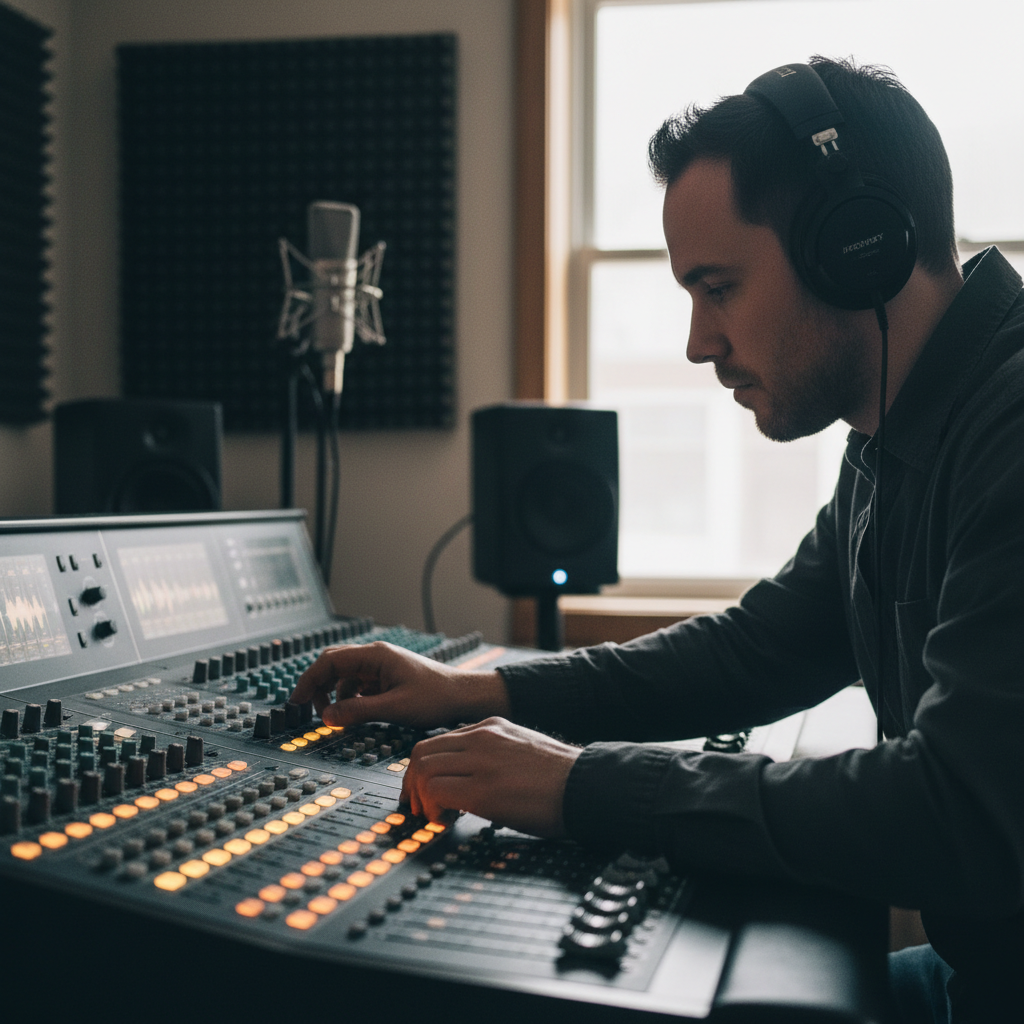
The Importance of Mastering
Mastering is crucial for a number of reasons. Firstly, it ensures that your music maintains a consistent tone and volume across all tracks. This is especially important when compiling an album, as it ensures a cohesive listening experience.
Moreover, mastering helps to optimize playback across various devices, from high-end audio systems to earbuds. This versatility is essential in today’s diverse listening environments.
Key Elements of the Mastering Process
The mastering process involves several key elements, each contributing to the final sound of a track:
- Equalization (EQ): Balances the frequency spectrum, ensuring that no particular frequency band is too dominant or too weak.
- Compression: Controls the dynamic range of the audio, making the quieter parts louder and the louder parts quieter for a balanced sound.
- Limiting: Ensures that the audio doesn't exceed a certain volume threshold, preventing distortion.
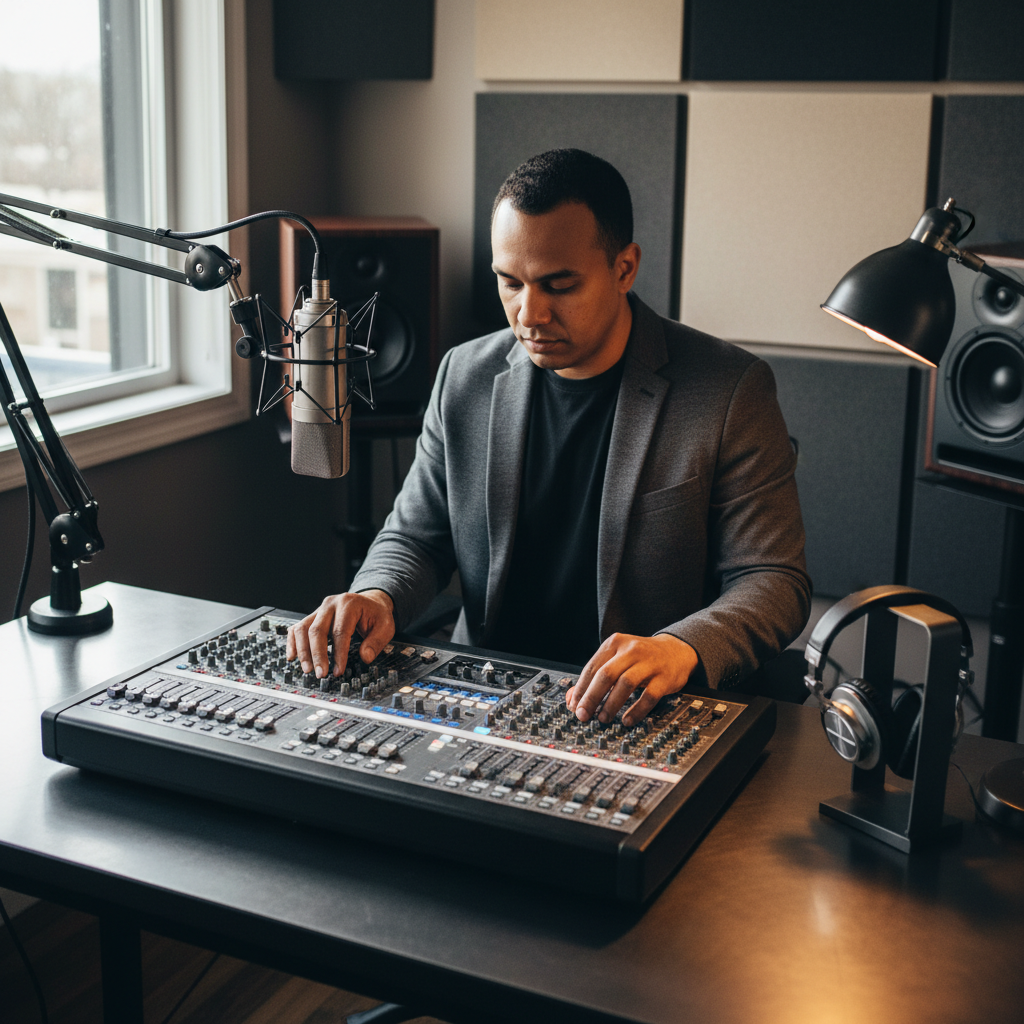
How Mastering Impacts Your Music
Mastering can significantly impact the listener’s perception of your music. A well-mastered track ensures clarity and punch, allowing each element of the mix to be heard distinctly. This clarity is what often makes a song stand out.
Furthermore, mastering can add a professional sheen to your music, making it radio-ready and competitive in the commercial market. This is particularly important for independent artists looking to make an impact.
The Role of a Professional Mastering Engineer
While it might be tempting to try mastering on your own, hiring a professional mastering engineer can make a world of difference. These experts bring an objective ear and advanced technical skills to the table, ensuring your music sounds its best.
Mastering engineers have the tools and experience to handle complex problems within a mix, providing solutions that enhance the final product. Their expertise can turn a good mix into an outstanding one.

DIY Mastering: Is It Worth It?
With the rise of affordable software, DIY mastering has become more accessible. However, it's essential to understand the limitations. Without the right experience and equipment, DIY efforts can sometimes do more harm than good.
That said, if you're keen to learn, starting with basic tools and gradually developing your skills can be a rewarding process. Just be prepared for a steep learning curve and the potential need for professional intervention down the line.
Conclusion: The Final Touch
In the world of music production, mastering is the final touch that can elevate your music from amateur to professional. Whether you choose to hire a professional or embark on a DIY journey, understanding the art of audio mastering is crucial for any musician looking to make a mark.
Remember, mastering is not just about making your music louder; it's about making it sound its best. Invest the time and resources necessary to ensure your music reaches its full potential.