
The Art and Science of Audio Mastering: A Comprehensive Guide


Understanding Audio Mastering
Audio mastering is often seen as a mysterious art form, reserved only for the expert ears of sound engineers. However, it is both an art and a science, playing a crucial role in the production of music. Mastering is the final step in audio production, where the track is polished to perfection before distribution.
This process ensures that the music sounds cohesive and professional across all playback systems, from high-end speakers to earbuds. It involves adjusting levels, equalizing frequencies, and adding effects to enhance the audio quality.
The Process of Audio Mastering
Initial Listening
Before any adjustments are made, the mastering engineer listens to the track thoroughly. This initial listening phase helps them identify any issues that need to be addressed, such as imbalances in frequency or volume.
Equalization and Dynamics
Equalization (EQ) is used to balance the tonal elements of the track. By adjusting frequencies, the engineer can ensure that no part of the audio spectrum is too dominant or too weak. Dynamics processing, which includes compression, helps control the dynamic range, making the track sound more consistent.

The Role of Technology in Mastering
Technology plays a significant role in modern audio mastering. Advanced software tools and plugins allow engineers to apply precise adjustments to the audio. These tools can simulate analog equipment, providing the warmth and character of vintage gear with the convenience of digital processing.
Automation and AI are also making their way into the mastering process. While they can aid in achieving a polished sound, the human touch remains irreplaceable for nuanced decision-making.
Tips for Aspiring Mastering Engineers
Develop Critical Listening Skills
One of the most important skills for a mastering engineer is critical listening. This involves training your ears to detect even the smallest details in a track. Regular practice and exposure to different genres can enhance this skill.
Understand Your Tools
Familiarity with the tools and software used in mastering is essential. Spend time learning the features and capabilities of your equipment, and stay updated with the latest advancements in audio technology.

Common Mistakes in Audio Mastering
Over-processing is a common pitfall in audio mastering. It's important to apply effects judiciously to avoid altering the original sound too much. Another mistake is not referencing other tracks during the process. Comparing your work with professionally mastered tracks can provide valuable insights.
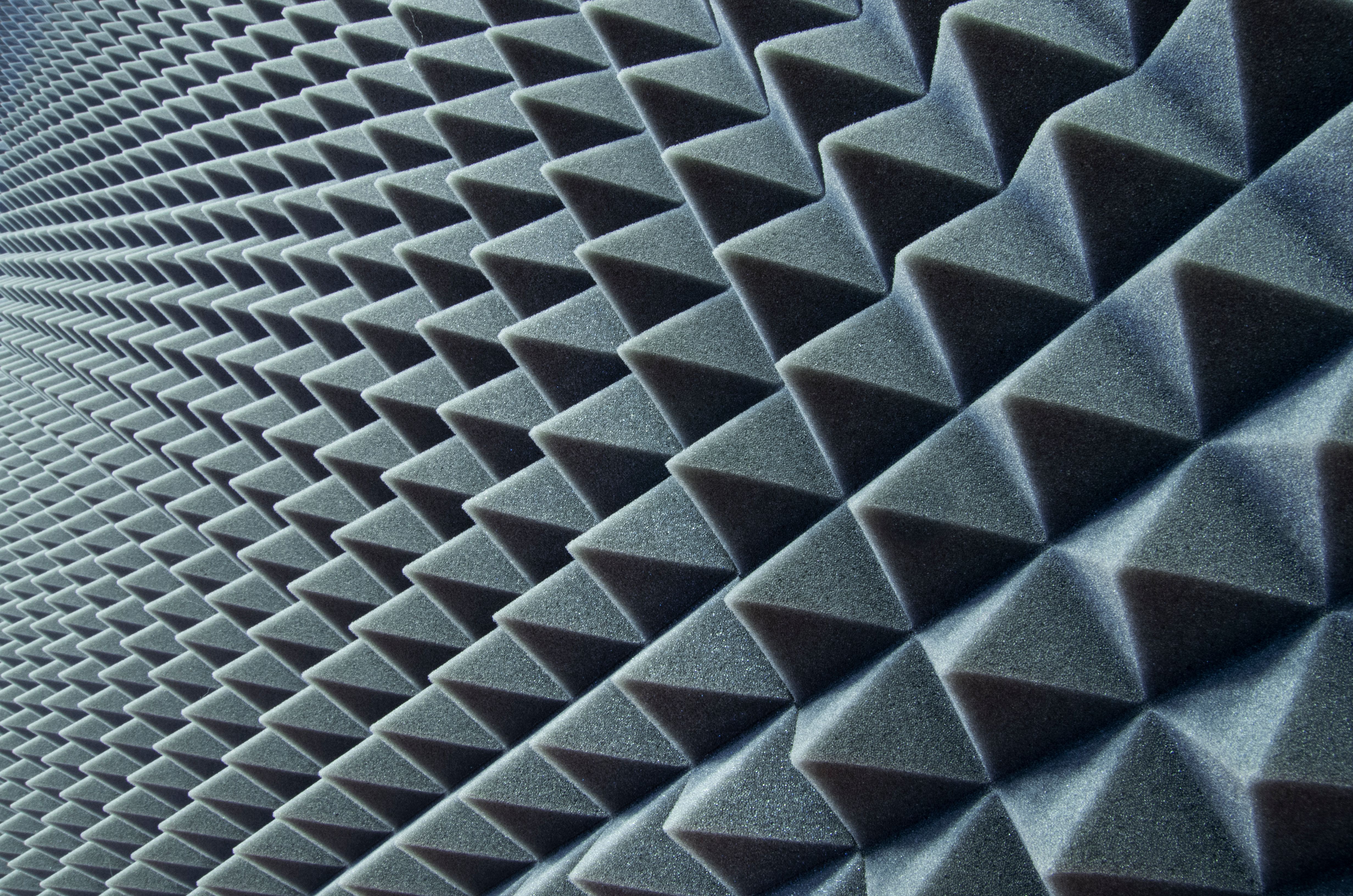
Finally, always ensure that your listening environment is optimized. Poor acoustics can lead to inaccurate adjustments, affecting the final outcome.
The Future of Audio Mastering
As technology continues to evolve, the future of audio mastering looks promising. With advancements in AI and machine learning, the potential for automation is growing. However, the human element will always be crucial in achieving the perfect sound.
Mastering remains a dynamic field where art and science intersect, offering endless possibilities for creativity and innovation.