
How to Prepare Your Tracks for Professional Mixing and Mastering


Understanding the Basics of Mixing and Mastering
Preparing your tracks for professional mixing and mastering is an essential step in music production. A well-prepared track can make a significant difference in the final sound of your music. Whether you're a seasoned musician or just starting, understanding the basics can save time and enhance the quality of your work.
Mixing involves balancing individual tracks, while mastering focuses on the final polish. Both processes require clean and organized files. Let's dive into how you can prepare your tracks for the best possible results.

Organize Your Tracks
The first step in preparing your tracks is organizing them properly. Ensure each track is clearly labeled with names that indicate their content, such as "Lead Vocal" or "Electric Guitar." This makes it easier for the mixing engineer to navigate your project.
Moreover, remove any unwanted noise or clips from your recordings. Silence any parts of the track that don't contain sound to prevent any unnecessary distractions or interference.
Export High-Quality Audio Files
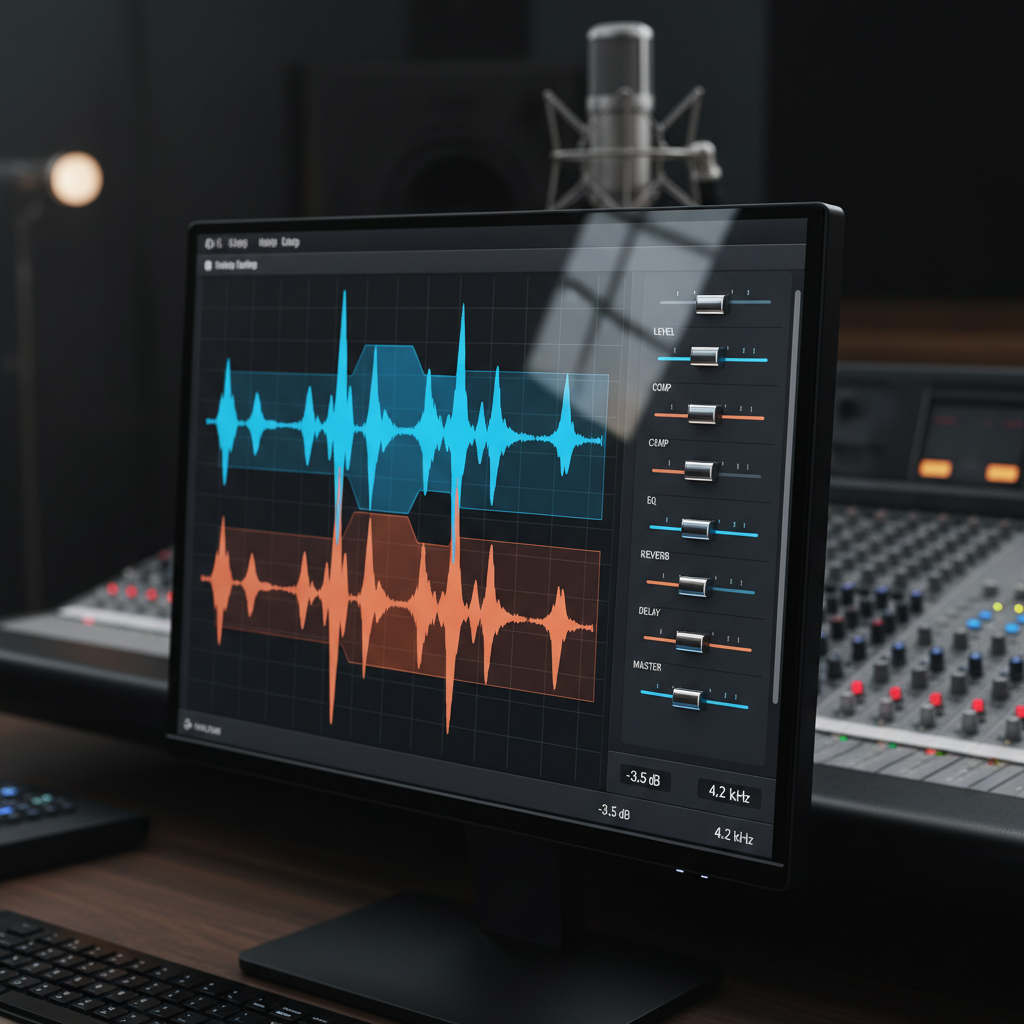
Always export your tracks in a high-quality format. Use WAV or AIFF files, as these formats preserve audio quality better than MP3. Export each track at the sample rate and bit depth used during recording, ideally 24-bit or 32-bit float for professional results.
Provide a Reference Mix
A reference mix is a rough mix of your track that conveys your vision for the final product. It gives the mixing engineer a clear idea of the sound you are aiming for. Include notes about specific elements, such as the balance of instruments or vocal effects you prefer.
Be clear about what you like and dislike in your reference mix. This communication helps the engineer understand your artistic intent and ensures your satisfaction with the final product.
Include Tempo and Key Information
Providing the tempo and key of your tracks is crucial for the mixing and mastering process. This information helps the engineer align any effects or edits accurately. If your track uses a specific tempo map or time signature changes, be sure to include those details as well.
Communicate with Your Engineer
Effective communication with your mixing and mastering engineer is vital. Discuss your vision, preferences, and any concerns you might have. Don't hesitate to ask questions or seek advice; a collaborative approach often leads to the best results.
Remember, your engineer is there to bring your music to life, so providing detailed information and feedback throughout the process is essential.
Final Thoughts
Preparing your tracks for professional mixing and mastering may seem daunting, but with careful organization and clear communication, you can achieve impressive results. By following these guidelines, you'll ensure your music receives the attention it deserves, leading to a polished and professional final product.