
How to Mix and Master Your Tracks Like a Pro: A DIY Guide


Understanding the Basics of Mixing
Mixing is the art of balancing individual elements within a track to create a cohesive and polished sound. The process involves adjusting levels, panning, equalization, and adding effects to enhance the overall presentation. Before diving into advanced techniques, it's essential to have a clear understanding of these basic components. Remember, a well-mixed track can make a significant impact on your audience.
Level balancing is the foundation of mixing. Start by setting the volume levels of each track so that all elements can be heard clearly without one overpowering the others. A good balance ensures that your music sounds great across different playback systems.
Tools of the Trade
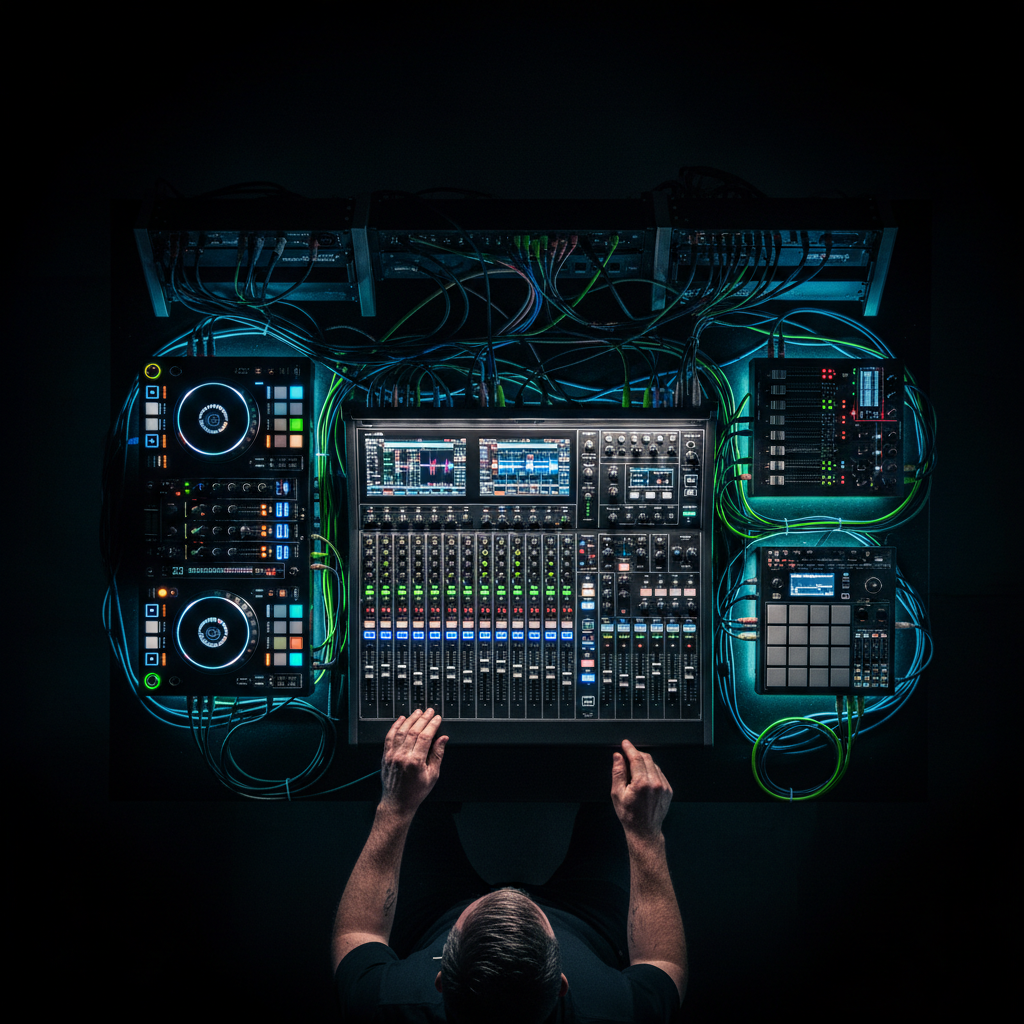
To mix and master your tracks like a pro, you'll need the right tools. Most digital audio workstations (DAWs) come with built-in plugins that are sufficient for basic mixing. However, investing in high-quality third-party plugins can elevate your mix.
Some essential tools include:
- EQ (Equalization): Adjusts the frequency balance of your tracks.
- Compression: Controls the dynamic range to ensure a consistent volume level.
- Reverb and Delay: Add depth and space to your mix.
Mastering Your Tracks
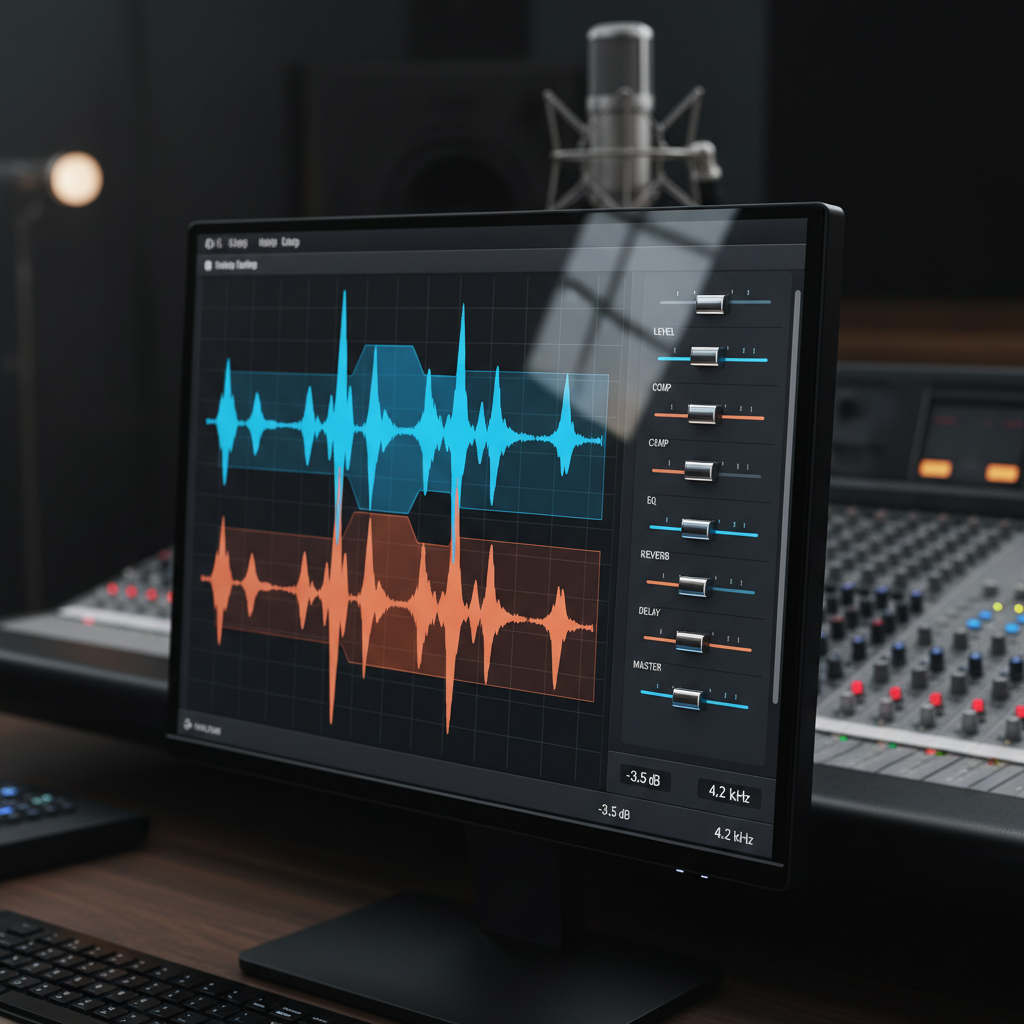
Mastering is the final step in music production, where your mixed track is polished for release. The goal is to enhance the overall sound, ensuring it translates well on all playback systems. While professional mastering engineers have years of experience, you can achieve satisfying results with some practice.
Here are some steps to consider:
- Listen critically: Identify areas that need improvement.
- Apply subtle EQ: Make minor adjustments to balance frequencies.
- Limit and compress: Ensure your track is loud enough without distorting.

Tips for a Professional Sound
To achieve a professional sound, pay attention to the details. Start with high-quality recordings, as mixing and mastering can only enhance what is already present. Use reference tracks to compare your work with professional releases, helping you identify areas for improvement.
Ensure you take breaks during mixing and mastering sessions to maintain a fresh perspective. Fatigue can lead to poor decision-making, so give your ears time to rest.

Common Mistakes to Avoid
While mixing and mastering, it's easy to fall into common traps. Avoid over-processing your tracks, as too many effects can muddy the mix. Instead, focus on subtle adjustments that enhance the overall sound.
Another mistake is neglecting the importance of monitoring. Use high-quality monitors or headphones to ensure accurate sound reproduction. Good monitoring helps you make informed decisions during the mixing and mastering process.
Conclusion: Practice Makes Perfect
Mixing and mastering your tracks like a pro takes time and patience. As with any skill, practice is key. Experiment with different techniques, learn from others, and don't be afraid to make mistakes. With dedication and perseverance, you'll be able to produce tracks that sound polished and professional.