
How Seasonal Changes Impact Audio Production: Tips for Staying Consistent


Understanding Seasonal Impacts on Audio Production
Audio production is an art that thrives on consistency and precision. However, seasonal changes can introduce unexpected challenges that impact sound quality and production efficiency. Recognizing these shifts is crucial for maintaining high-quality audio output throughout the year.
Seasonal variations can affect everything from room acoustics to equipment performance. Temperature and humidity fluctuations, for instance, influence the behavior of microphones and other sensitive audio gear. By understanding these impacts, producers can better prepare and adapt their workflows accordingly.
Temperature and Humidity Effects
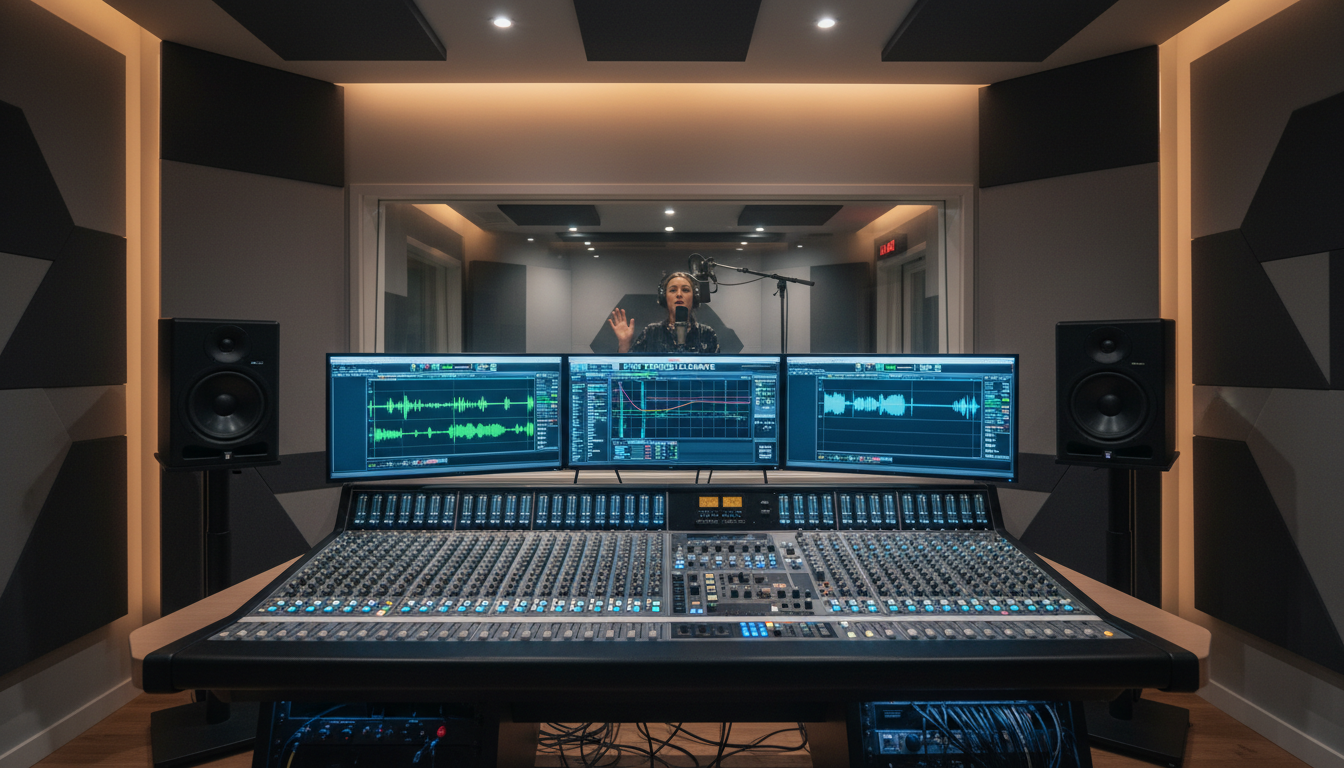
Temperature changes can cause materials in audio equipment to expand or contract, potentially affecting sound quality. Microphones, in particular, are susceptible to these changes as their diaphragms can be sensitive to temperature shifts. Maintaining a stable indoor climate is key to minimizing these effects.
Humidity also plays a significant role. High humidity levels can cause condensation, which might damage electronic components. Conversely, low humidity can lead to static electricity build-up, which can interfere with audio signals. Using a dehumidifier or humidifier can help stabilize the studio environment.
Tips for Managing Temperature and Humidity
- Invest in a reliable HVAC system to regulate studio temperature.
- Use a hygrometer to monitor humidity levels and adjust as needed.
- Consider weatherproofing your studio to minimize external climate impacts.
Acoustic Considerations
The acoustics of a studio can change with the seasons. For example, wood surfaces may swell or shrink with humidity changes, altering sound reflections. Additionally, ambient noise levels may vary, such as increased outdoor noise during warmer months.
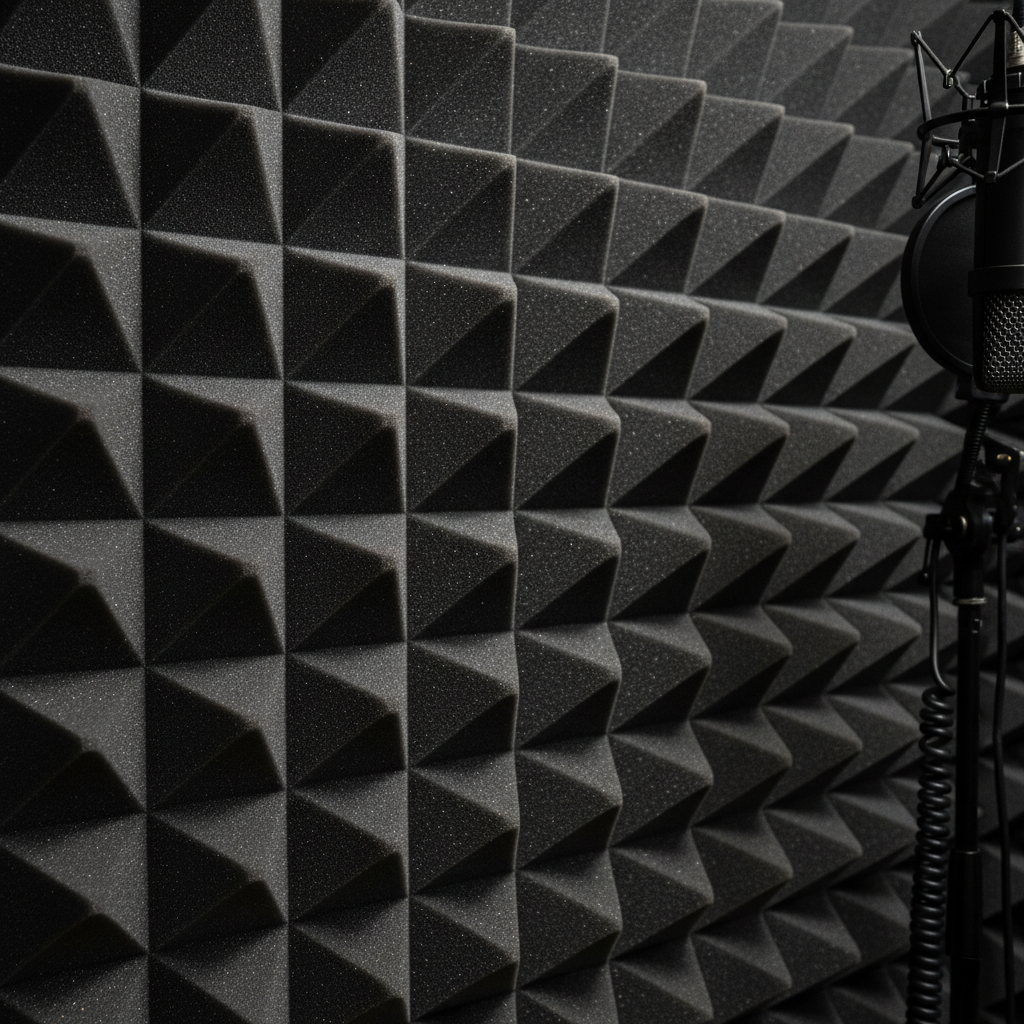
To maintain consistent acoustics, consider using acoustic panels and bass traps. These can help control sound reflections and absorb unwanted noise, ensuring a consistent audio environment regardless of outside conditions.
Maintaining Acoustic Consistency
- Regularly inspect and maintain acoustic treatment materials.
- Adjust microphone placement to account for seasonal acoustic changes.
- Utilize noise-canceling technology to reduce ambient noise.
Equipment Maintenance and Calibration
Seasonal changes can impact the performance of audio equipment, necessitating regular maintenance and calibration to ensure optimal functionality. Dust accumulation, for instance, can be more prevalent in certain seasons, affecting equipment performance.
Regular cleaning and servicing of equipment can prevent these issues. Calibration should also be checked regularly, especially after significant seasonal shifts, to ensure that all devices are operating at their best.
Equipment Care Tips
- Schedule regular maintenance checks for all audio equipment.
- Keep equipment in dust-free environments to prevent buildup.
- Ensure all cables and connections are secure and functioning properly.
By proactively managing these seasonal challenges, audio producers can maintain a high standard of sound quality and production consistency year-round. Implementing these tips will help ensure that your audio work remains unaffected by the changing seasons.