
How Seasonal Changes Affect Sound Production: Tips for Musicians


The Impact of Temperature on Sound Quality
As the seasons change, so do the environmental conditions that affect sound production. Temperature is one of the primary factors influencing sound quality. Cold air can cause sound to travel slower, while warm air can enhance its speed. This fluctuation can impact the way instruments sound, especially in outdoor performances.
Musicians need to be aware of these changes to adjust their instruments accordingly. For example, string instruments might need frequent tuning during colder months as the strings contract and expand with temperature changes.

Humidity and Instrumental Performance
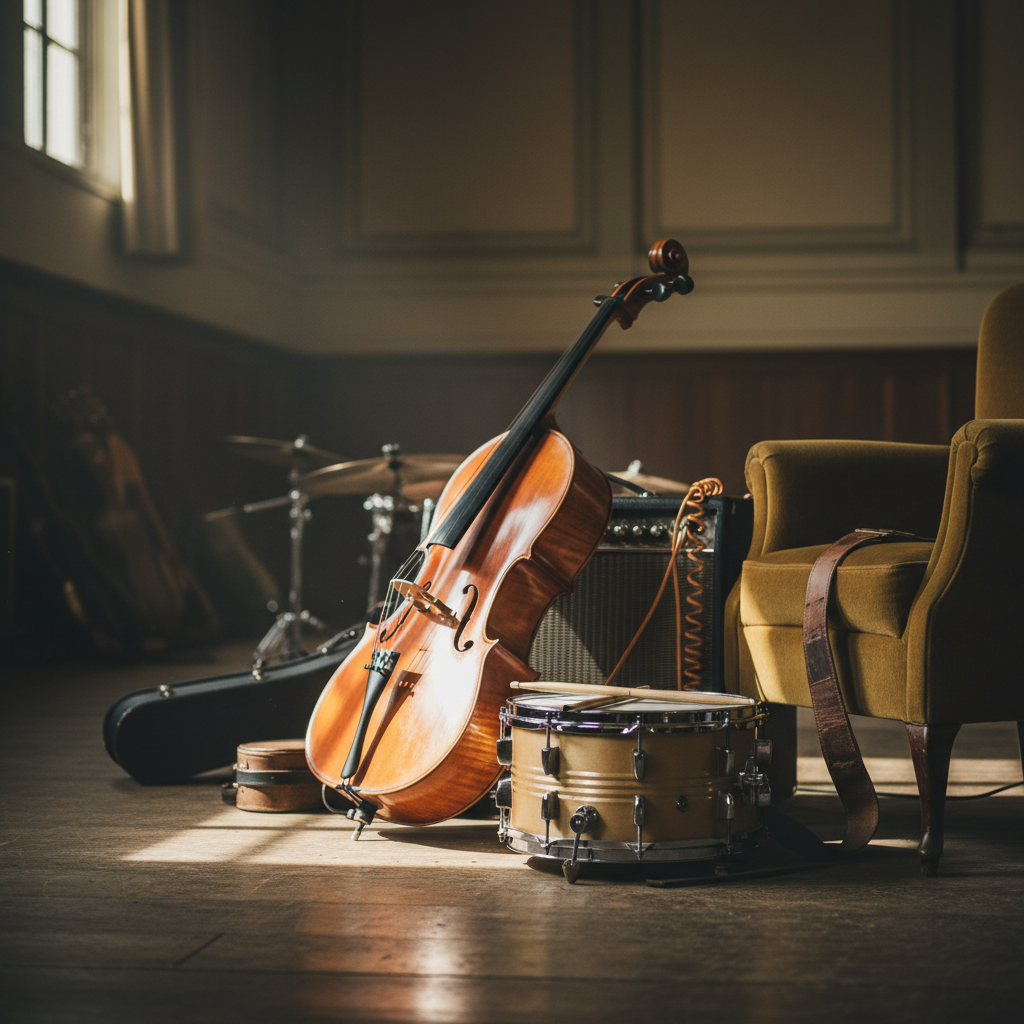
Humidity levels also play a crucial role in sound production. High humidity can lead to swelling of wooden instruments, affecting their tonal quality. Conversely, low humidity can cause cracking or warping. It's essential for musicians to maintain optimal humidity levels, particularly for wooden instruments like violins and guitars.
Using a humidifier or dehumidifier can help in maintaining the right environment for your instruments. Regularly checking the humidity levels in your practice and storage area can prevent long-term damage.
Adjusting to Indoor and Outdoor Settings
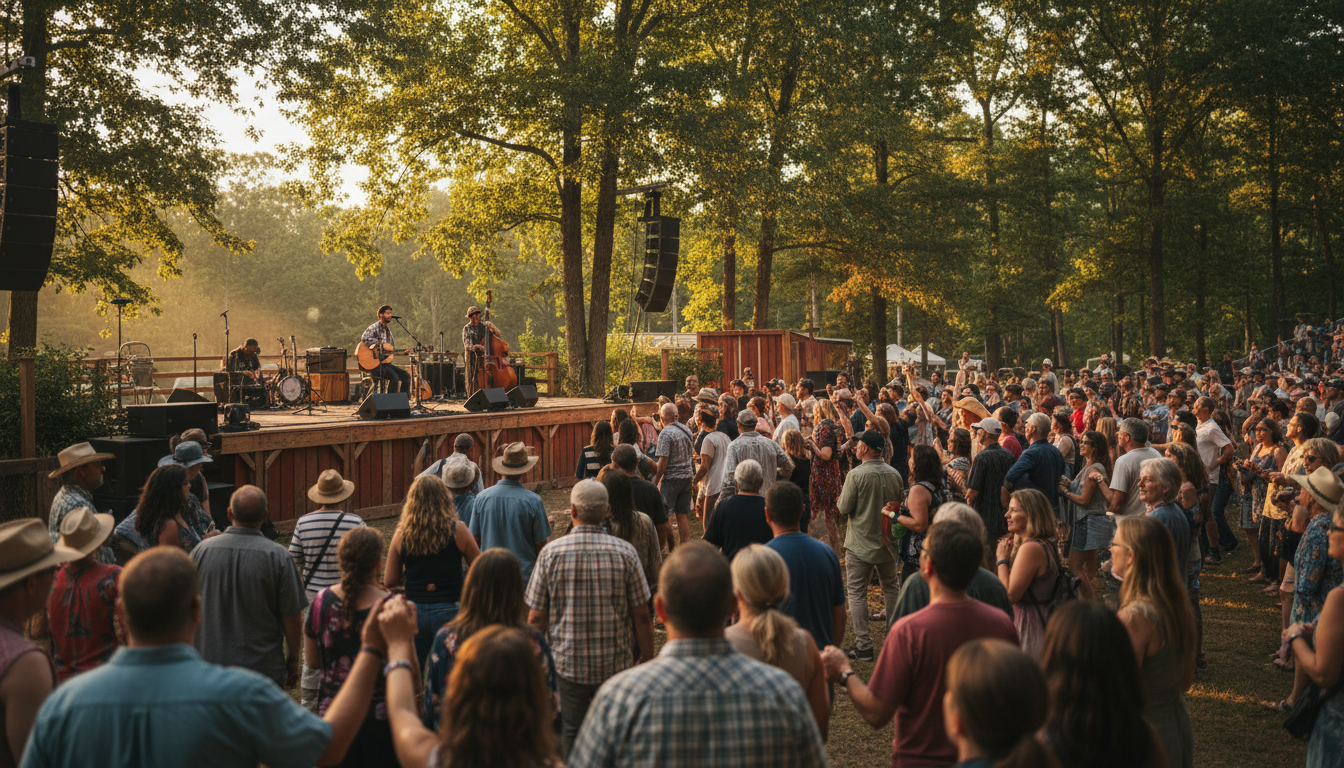
Seasonal changes often dictate whether performances are held indoors or outdoors. Each setting presents its own challenges. Outdoor performances are subject to unpredictable weather conditions, including wind and rain, which can affect sound clarity and equipment safety.
Adapting Your Gear
Musicians should consider investing in quality cases and covers to protect their instruments from environmental changes. Additionally, using weather-resistant equipment and accessories can be beneficial for outdoor gigs.
Amplifiers and microphones also react to temperature and humidity changes. Regular maintenance and checks can ensure they perform optimally regardless of the season.
Practical Tips for Musicians
To mitigate the effects of seasonal changes, musicians can follow these tips:
- Regularly tune and maintain instruments, especially during extreme weather changes.
- Use protective gear and cases to shield instruments from the elements.
- Monitor weather forecasts for outdoor performances and prepare accordingly.
Conclusion: Embrace the Seasons
While seasonal changes can pose challenges, they also offer unique opportunities to adapt and grow as a musician. By understanding how temperature, humidity, and settings affect sound production, you can enhance your performances year-round.
Whether you're performing in the crisp air of autumn or the warm breeze of summer, embracing these changes can lead to a richer and more dynamic musical experience.