
How Seasonal Changes Affect Audio Production: Tips for Mastering


Understanding Seasonal Changes in Audio Production
Audio production is an art that requires precision, and surprisingly, even the weather can play a significant role in the process. Seasonal changes can affect everything from the acoustics in your studio to the behavior of your equipment. Understanding these changes is crucial for maintaining high-quality sound.
Temperature and humidity are two primary factors that change with the seasons and can impact audio production. These elements can influence the way sound travels and how equipment performs, requiring producers to adapt accordingly.
The Impact of Temperature on Sound
Temperature fluctuations can alter the speed at which sound travels. In warmer temperatures, sound waves move faster, which can affect timing and synchronization in recordings. This might be subtle but can become significant in precise audio work.
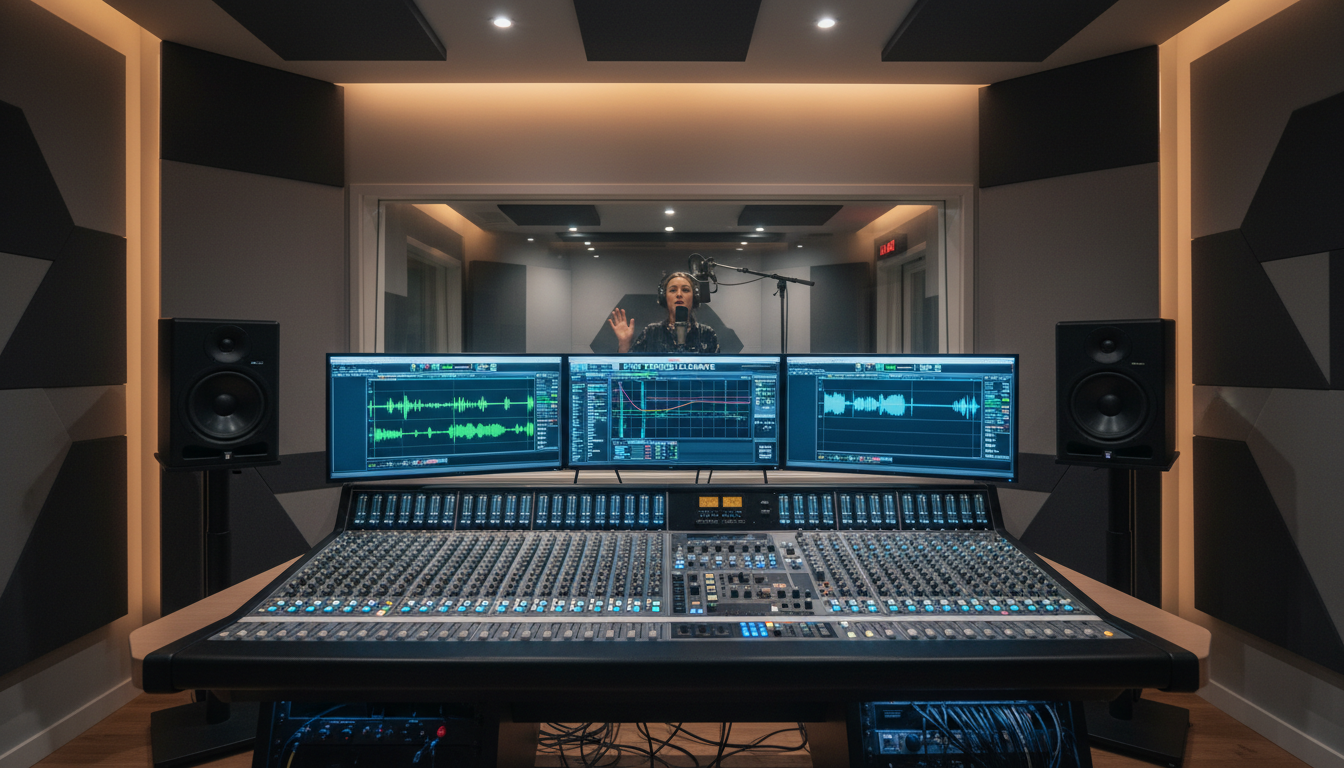
To counteract temperature effects, it's essential to have a well-insulated studio. Insulation helps maintain a consistent environment, reducing the impact of external temperature changes. Investing in a reliable HVAC system can also ensure stable conditions.
Equipment Sensitivity to Temperature
Audio equipment, such as microphones and speakers, can be sensitive to temperature changes. Cold temperatures may cause equipment to contract, affecting performance. Conversely, excessive heat can lead to overheating and damage.
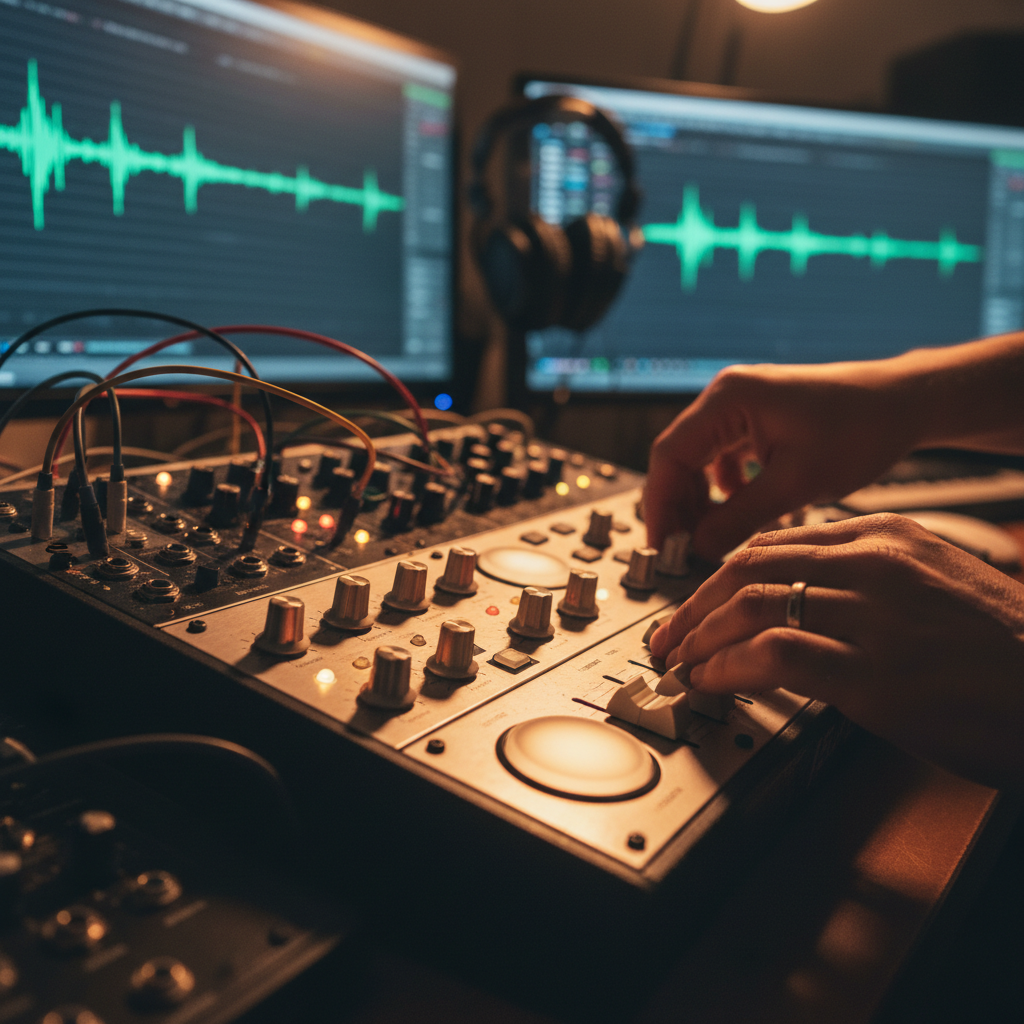
To protect your equipment, consider using climate-controlled storage and regularly checking for any signs of wear or damage. This practice will help extend the life of your gear and maintain sound quality.
Humidity's Role in Audio Production
Humidity can affect both the acoustics of a room and the functioning of audio equipment. High humidity levels can dampen sound waves, leading to a muffled audio experience. It can also lead to moisture build-up in equipment, which can cause corrosion.
Using dehumidifiers or humidifiers can help maintain optimal humidity levels in your studio, ensuring both your equipment and acoustics remain unaffected. Aim for a stable humidity level, around 40-50%, for the best results.
Seasonal Maintenance Tips
To keep your audio production running smoothly throughout the year, regular maintenance is essential. Here are some tips:
- Regular Equipment Checks: Inspect your equipment frequently for signs of wear or damage, especially after significant temperature or humidity changes.
- Environmental Monitoring: Use sensors to monitor temperature and humidity in your studio, allowing you to make adjustments as necessary.
- Update Your Setup: Consider using more resilient materials and technology that can withstand environmental changes.
By understanding and adapting to seasonal changes, you can ensure that your audio production remains consistent and of high quality throughout the year. This proactive approach will help you tackle any challenges that come with seasonal shifts, keeping your sound crisp and clear.