
DIY Mixing Tips: When to Call in a Professional


Understanding the Basics of DIY Mixing
Mixing your own music can be a rewarding and creative experience. With the right tools and a bit of patience, you can bring your musical visions to life. However, knowing the basics is essential. Start by familiarizing yourself with your Digital Audio Workstation (DAW) and the fundamental concepts of mixing, such as EQ, compression, and reverb.
Experimenting with different techniques will help you develop a unique sound. It's important to remember that mixing is as much an art as it is a science. Trust your ears and don't be afraid to try unconventional methods to achieve your desired effect.
Key Tools and Techniques
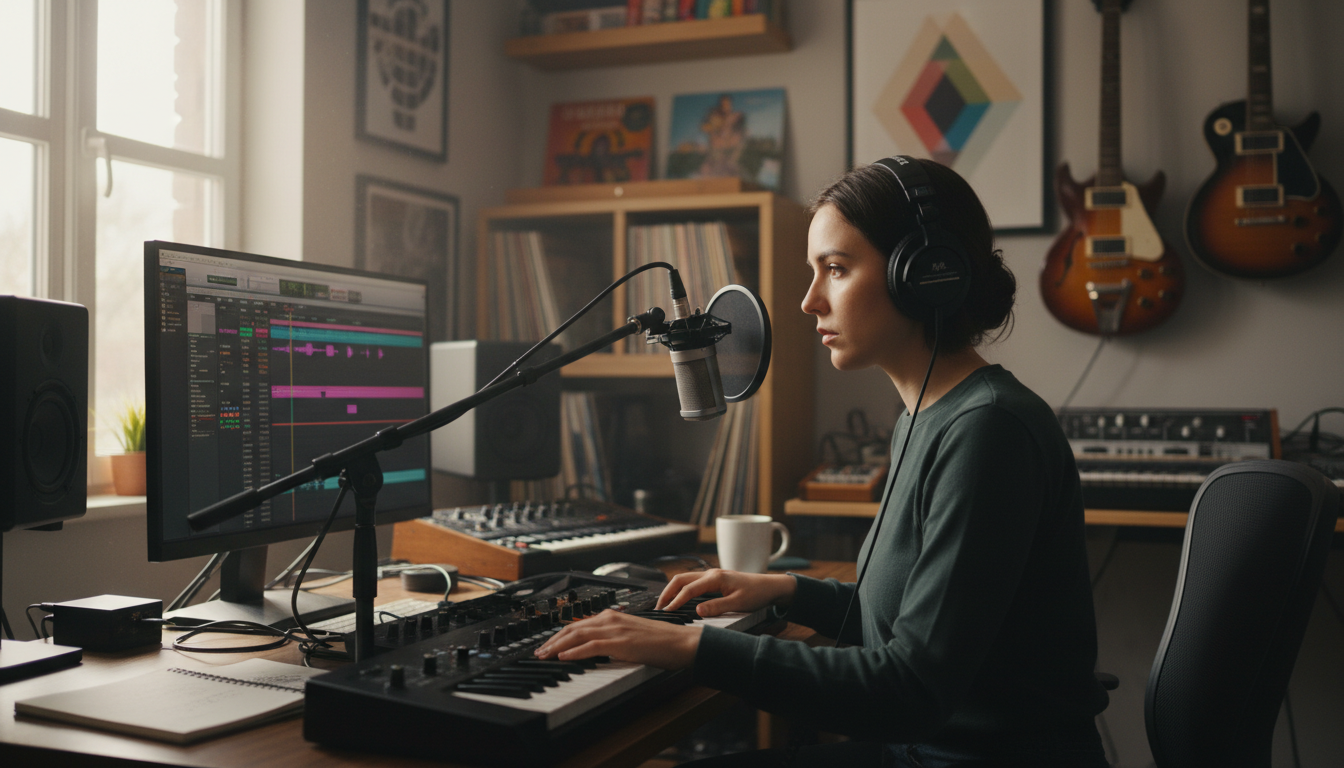
Having the right tools can make all the difference. Invest in quality headphones or studio monitors to ensure accurate sound reproduction. Understanding EQ allows you to balance frequencies and create clarity, while compression helps in managing dynamics to maintain consistency in your tracks.
Reverb and delay can add depth and space to your mix. Use these effects sparingly to avoid muddying the sound. It's also beneficial to learn about automation, which can bring life to your music by dynamically adjusting levels and effects throughout the track.
Common Challenges in DIY Mixing
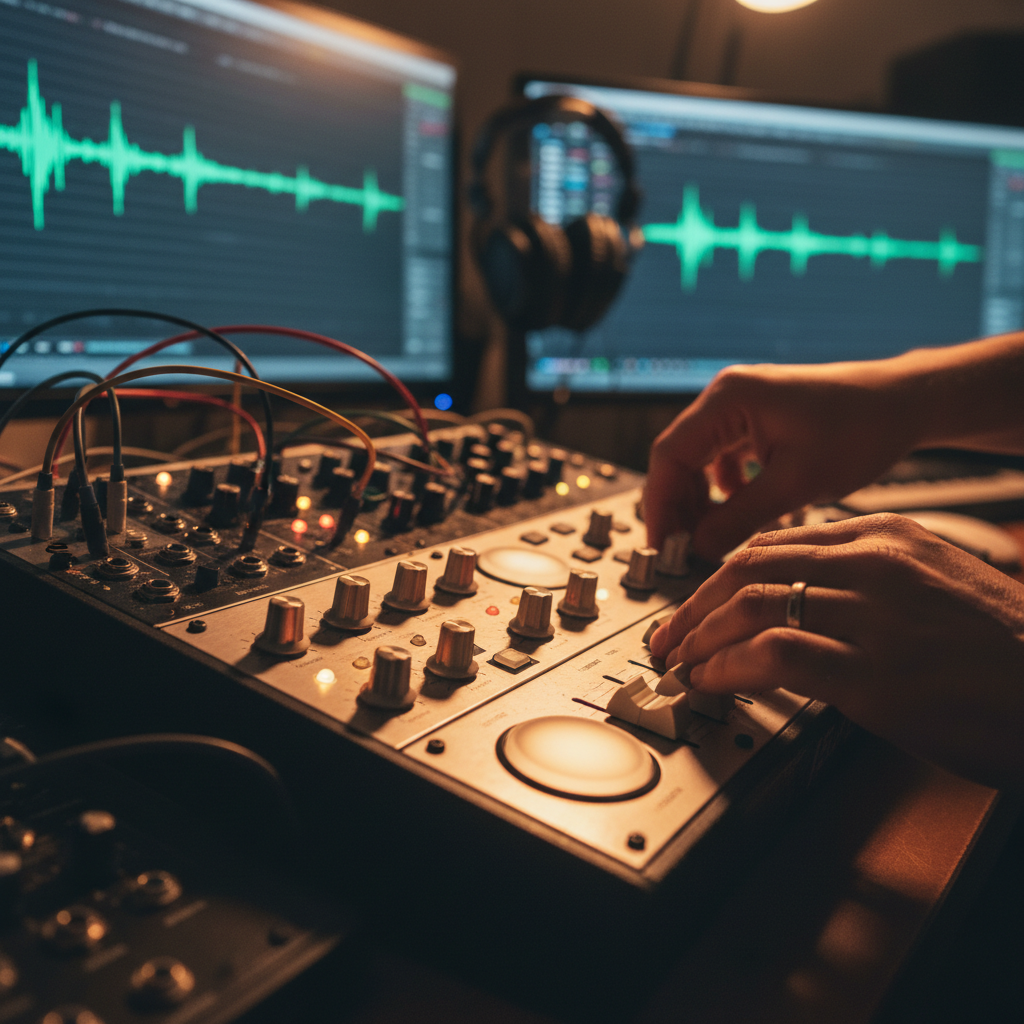
Despite your best efforts, you may encounter challenges. One common issue is achieving a balanced mix. It can be difficult to ensure that all elements are heard clearly without one overpowering the others. Additionally, ear fatigue can lead to poor decision-making. Taking regular breaks is crucial to maintaining perspective.
Another challenge is maintaining consistency across different playback systems. A mix that sounds great in your studio might not translate well to other environments. Testing your mix on various speakers and headphones can help identify these discrepancies.
When to Call in a Professional
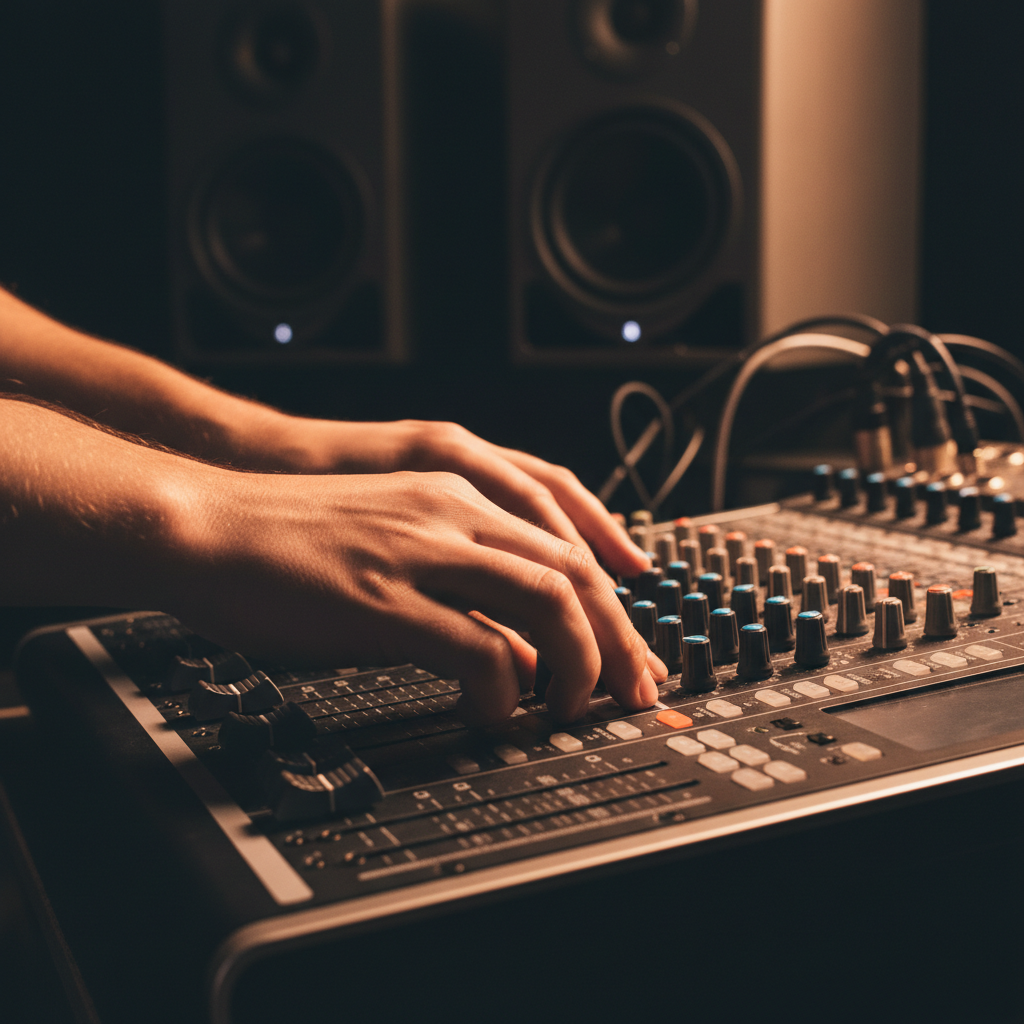
There are times when calling in a professional mixer can be beneficial. If you're aiming for commercial release, professional mixing services can provide the polish and expertise needed for radio-ready tracks. Experienced engineers have access to state-of-the-art equipment and can offer insights that enhance your music.
Consider hiring a professional if you're struggling to achieve a specific sound or if you find the technical aspects overwhelming. Their experience can save you time and ensure a high-quality final product.
Benefits of Professional Mixing
Professional mixers bring a fresh perspective to your music. Their trained ears can identify areas for improvement that you might have overlooked. They are skilled in using advanced techniques and tools, which can elevate the overall quality of your mix.
Additionally, professionals often have insights into the current industry standards and trends. This knowledge can be invaluable if you're looking to create music that resonates with a broader audience.
Final Thoughts
Mixing your own music is a fulfilling journey that allows you to express your creativity. While DIY mixing can yield great results, there are moments when professional assistance is invaluable. Weighing the pros and cons of each approach will help you decide the best path for your music.
Ultimately, whether you choose to mix your own tracks or enlist the help of a professional, the goal is to create music that speaks to you and your audience. Keep experimenting, learning, and enjoying the process.