
DIY Audio Mastering: What You Can Do and When to Hire a Pro


Understanding DIY Audio Mastering
Audio mastering is the final step in music production, where your tracks are polished for distribution. While traditionally reserved for professionals, many musicians are exploring the world of DIY audio mastering. This approach can save money and allow for more creative control. However, it's essential to know when your skills can handle the task and when it's best to call in an expert.
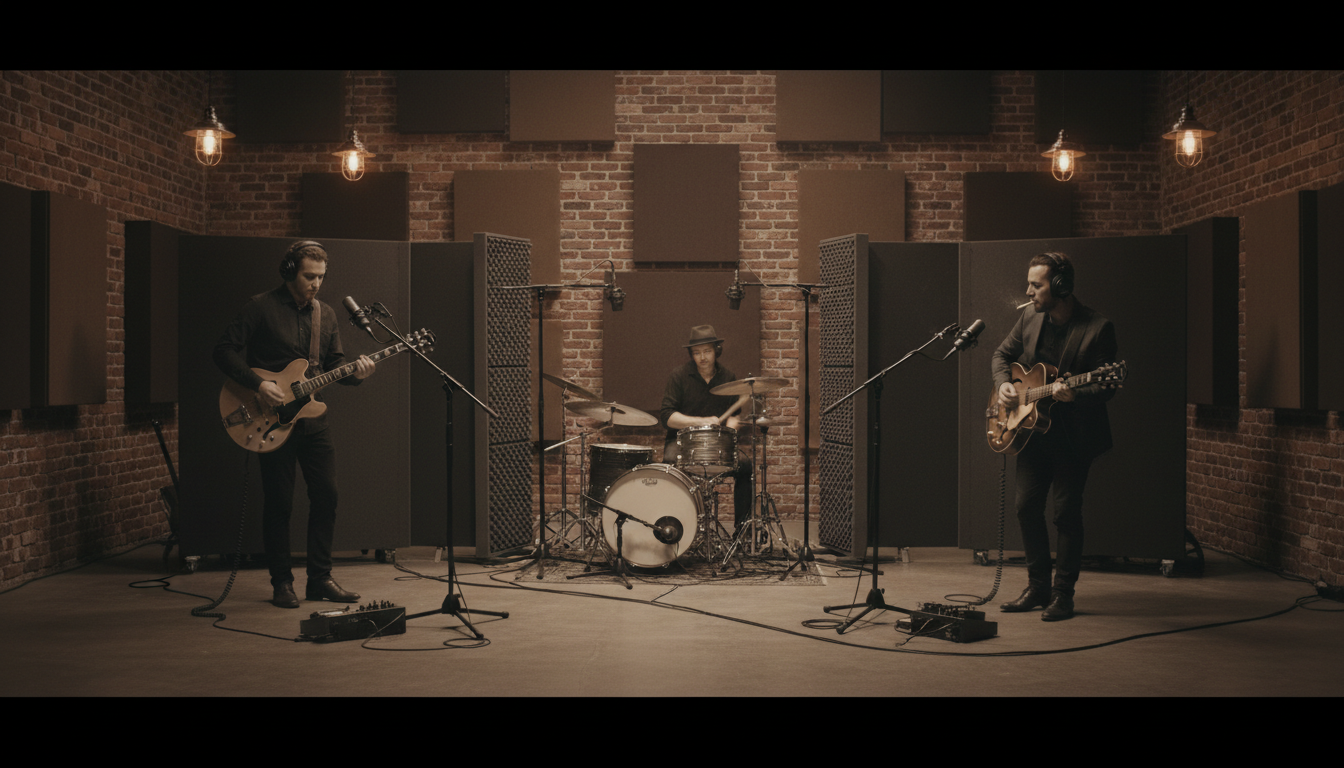
The Basics of DIY Audio Mastering
Before diving in, it's crucial to understand what mastering involves. It includes balancing the sonic elements of a stereo mix and ensuring consistency across an album. To start, you'll need a good listening environment, quality headphones, or monitors, and mastering software.
Here are some basic steps for DIY mastering:
- Analyze your mix for balance and clarity.
- Use EQ to enhance or reduce frequencies.
- Apply compression to control dynamics.
- Consider adding reverb for depth.
- Use a limiter to maximize the track's loudness.
When DIY Mastering Works Best
DIY mastering is ideal for those with a tight budget or for projects like demos and personal releases. If you're just starting, practicing with DIY mastering can be a great way to learn and understand the nuances of your music. Online tutorials and forums can also provide valuable insights and techniques to refine your skills.
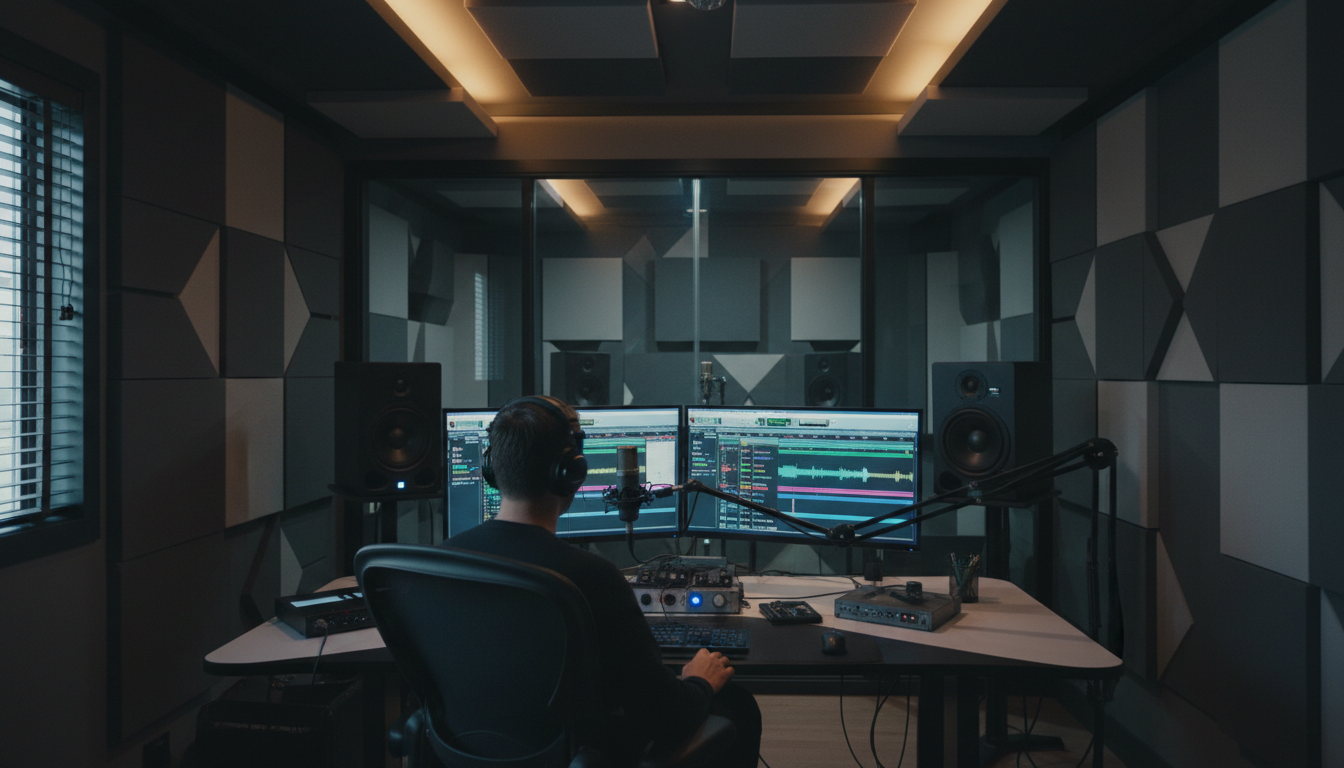
Recognizing the Limits of DIY Mastering
While DIY mastering can be effective, there are limitations. Without professional-grade equipment and an acoustically treated space, achieving a commercial-grade sound can be challenging. Additionally, your familiarity with the track can lead to a biased perspective, making it difficult to identify issues objectively.
When to Hire a Professional
There are times when hiring a professional mastering engineer is the best choice. If you're aiming for a commercial release, a professional can provide the polish and clarity that might be out of reach for a DIY setup. Professionals have trained ears and access to high-end equipment, ensuring your music sounds its best across all platforms.

Benefits of Professional Mastering
The expertise that a professional brings can significantly enhance your project. Here are some benefits:
- Objective feedback on your mix.
- Access to specialized tools and techniques.
- Ensures compatibility across various playback systems.
- Saves time and potentially costly mistakes.
Making the Right Choice for Your Music
Ultimately, the decision between DIY and professional mastering depends on your goals, budget, and personal expertise. Consider starting with DIY mastering to build your skills and understanding. For crucial projects or when you're ready to take your music to the next level, hiring a professional can be a worthwhile investment.
Whether you choose to master your tracks yourself or enlist the help of a professional, the key is to ensure your music connects with your audience in the best possible way.