
DIY Audio Mastering: Common Mistakes to Avoid


Understanding the Basics of Audio Mastering
Audio mastering is the final step in music production, aimed at polishing your tracks for distribution. It ensures the audio sounds consistent across different playback systems. While DIY audio mastering can be rewarding, it's crucial to avoid common pitfalls that might compromise quality.
The key to successful DIY mastering is understanding the core principles. This includes setting the right levels, equalization, and compression. Familiarize yourself with these elements before diving into your project.
Over-Compression: Finding the Right Balance
Compression is essential in mastering, but over-compression can squash the dynamics of your track, making it sound lifeless. Many DIY enthusiasts fall into the trap of using too much compression, aiming for loudness at the expense of musicality.
To avoid this mistake, use compression subtly. Aim to retain the original dynamics of the track while ensuring it sounds balanced and polished. Remember, it's about enhancing, not overpowering.
Ignoring the Importance of EQ
Equalization (EQ) is a powerful tool in the mastering process. However, neglecting its proper use can lead to a muddy or overly bright mix. Many beginners either overuse EQ or fail to address problematic frequencies.
Start by identifying the frequency spectrum of your track. Use EQ to cut unwanted frequencies and boost areas that need enhancement. This will ensure clarity and balance in your final product.

Mastering in a Poor Acoustic Environment
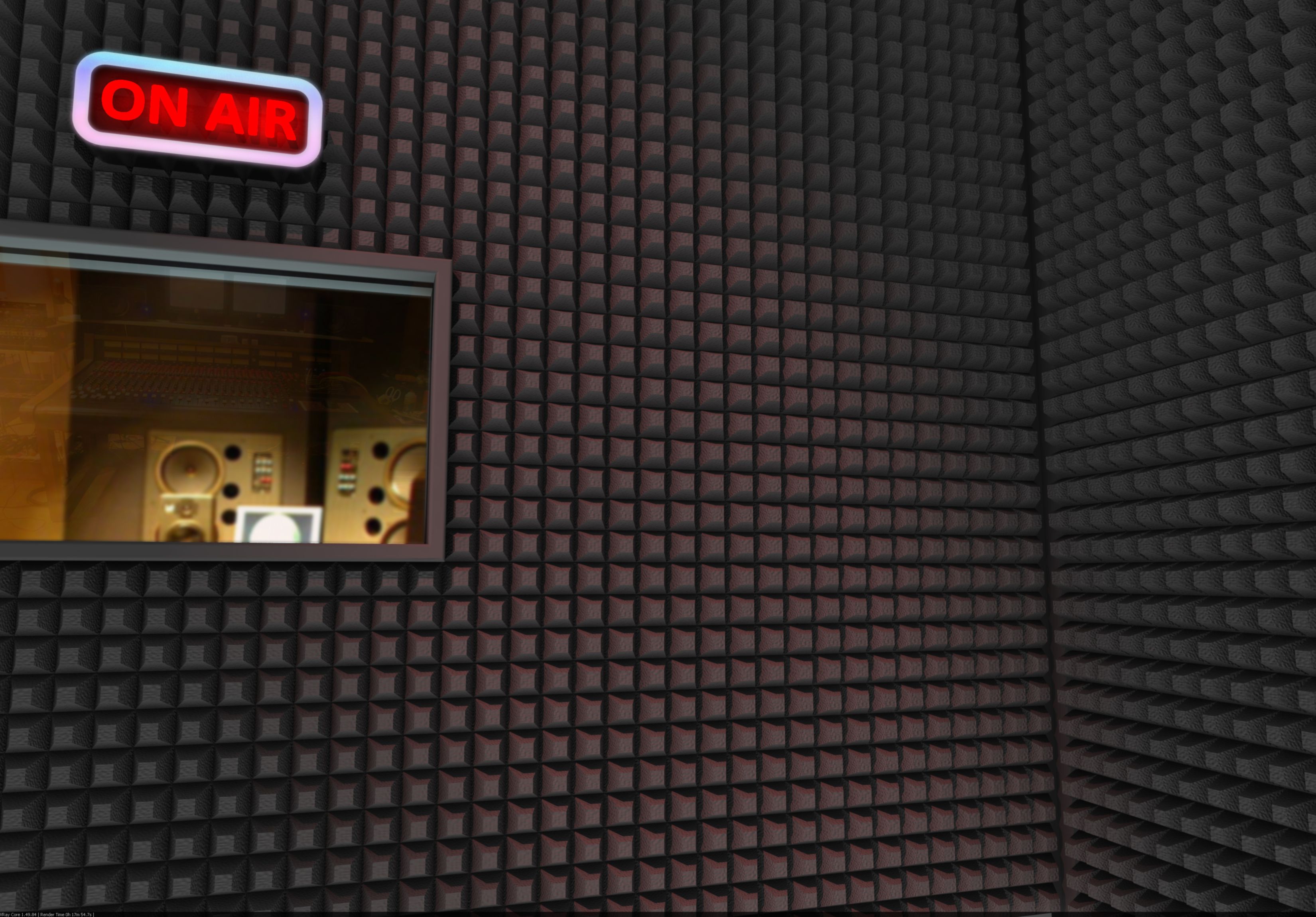
One of the most overlooked aspects of DIY mastering is the acoustic environment. Mastering in a poorly treated room can lead to inaccurate sound perception, causing you to make misguided adjustments.
Invest time in treating your room acoustically or use quality headphones if that's not possible. This will help you hear the true sound of your mix, leading to better mastering decisions.
Relying Solely on Visual Tools
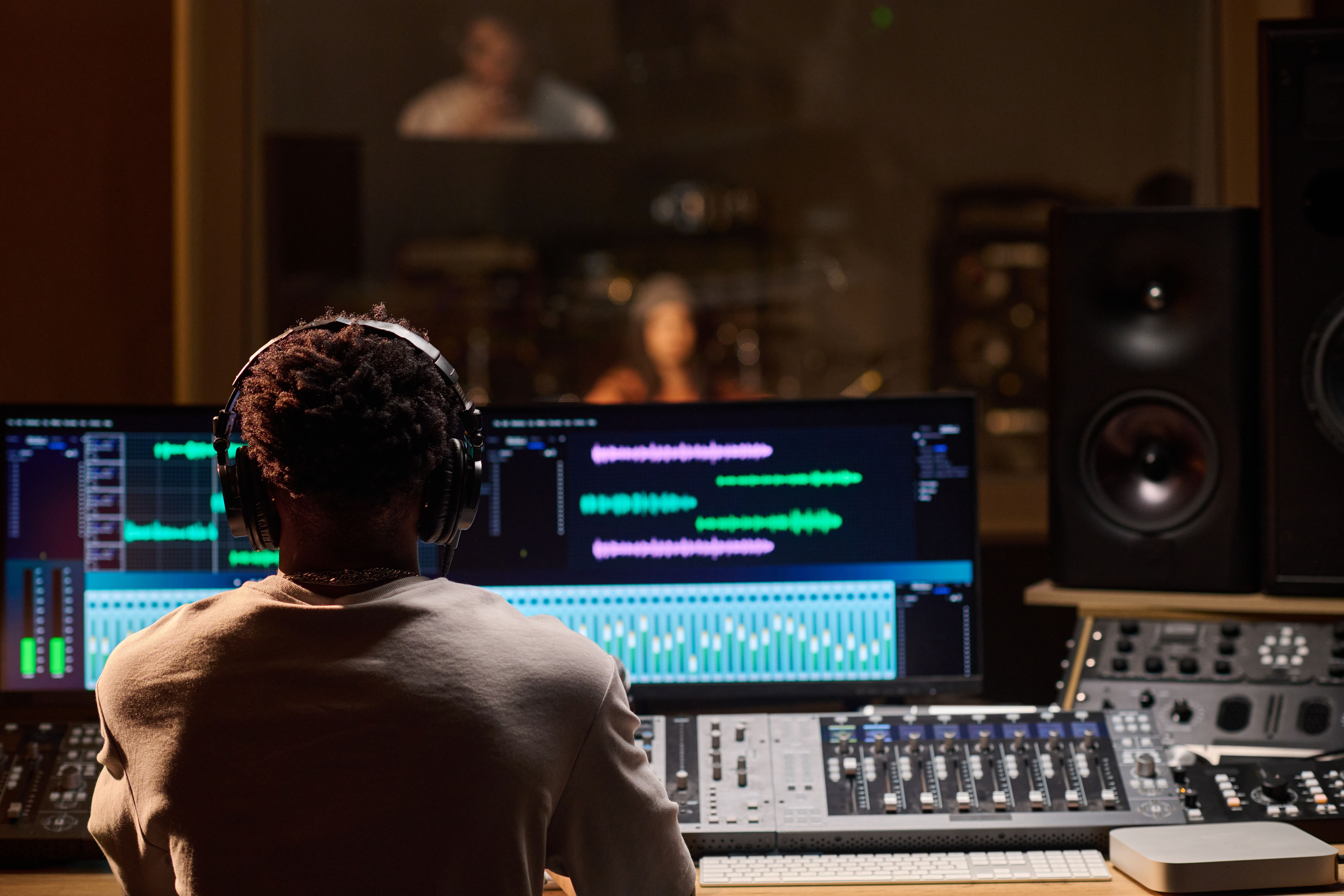
Visual tools like spectrum analyzers and meters can be helpful in the mastering process, but relying on them exclusively is a common mistake. Your ears are the most important tool you have.
Trust what you hear. Use visual tools as a supplement to your auditory judgment, not as a crutch. This balance will guide you towards a more natural-sounding master.
Skipping Reference Tracks
Reference tracks are invaluable in the mastering process. They offer a benchmark for how your track should sound in terms of tonal balance and loudness. Many DIY enthusiasts skip this step, leading to inconsistent results.
Choose a reference track that is similar in genre and style to your own. Compare your track to the reference periodically, ensuring your master stays on the right track.
Final Thoughts on DIY Audio Mastering
DIY audio mastering is a challenging yet fulfilling endeavor. By avoiding these common mistakes, you can achieve a professional-sounding master that stands out. Remember, mastering is an art that requires patience, practice, and a keen ear.
Keep refining your skills and continually seek out new techniques and insights. With time and dedication, your DIY mastering projects will improve, bringing your musical vision to life.